Winter has settled in across New England, and ponds throughout the region are now facing prolonged cold, ice cover, and reduced biological activity. Proper winter pond management is essential to protect water quality, support fish health, and set the stage for a successful spring. From vegetation control to aeration adjustments, a seasonal maintenance checklist helps prevent common winter issues and protects your long-term investment.
Below are key winter pond maintenance tasks New England pond owners should focus on this season.
1. Cattail Cutting and Removal
Cattails and other emergent vegetation naturally die back in late fall and early winter, often leaving behind dense mats of decaying plant material. If left unmanaged, this organic matter sinks to the pond bottom, contributing to muck buildup and excess nutrients.
Cutting and removing cattails before or during the winter helps keep shorelines clean, reduces nutrient loading, and minimizes the risk of algae blooms when temperatures warm in spring. Regular vegetation management is a foundational step in long-term aquatic weed control.


2. Adjusting Diffusers for Winter Aeration
For ponds using diffused aeration, proper diffuser placement is critical once winter conditions arrive. While summer aeration focuses on the deepest areas of the pond, winter aeration should be moved to shallower water.
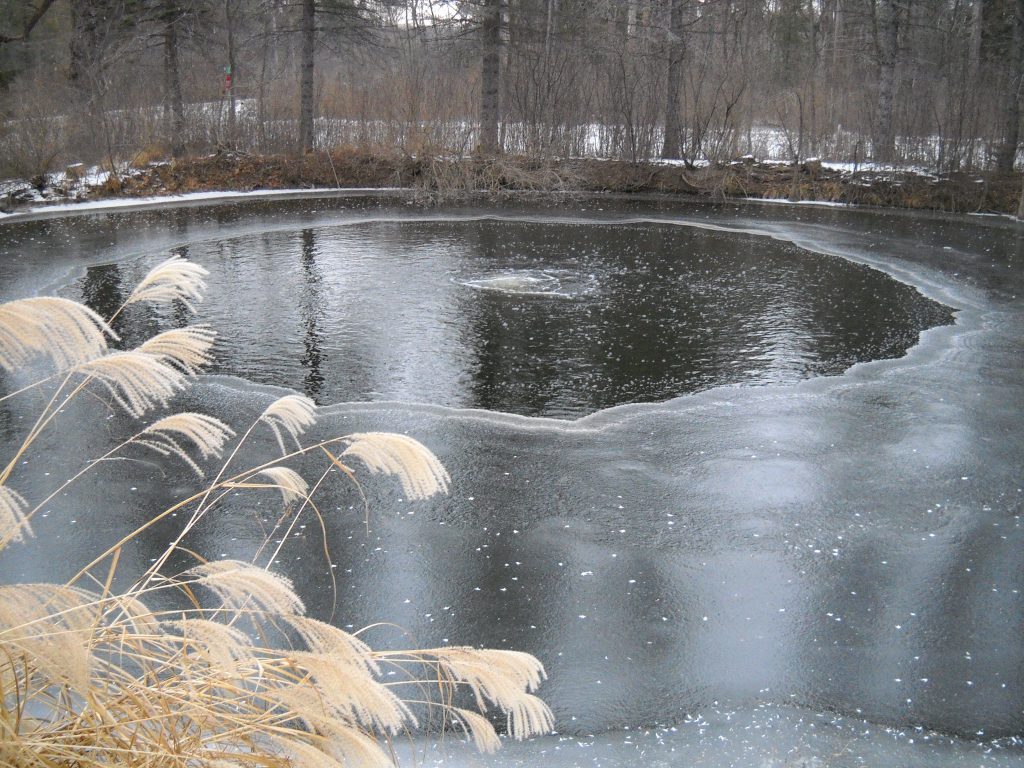
Shallow diffuser placement helps prevent full water-column mixing, which can supercool deeper water and stress fish. It also promotes gas exchange beneath the ice, reducing the buildup of harmful gases and lowering the risk of winter fish kills. In New England’s long, cold winters, properly adjusted aeration is essential for maintaining a healthy pond ecosystem.
3. Fish Stocking
Late fall, early winter, and spring are ideal times to evaluate forage fish populations. Stocking minnows and other forage species strengthens the pond’s food chain and ensures predator fish have adequate nutrition throughout the winter.
Some New England pond owners also choose to stock cool-water species, such as trout, which thrive in colder temperatures and provide seasonal recreational opportunities. Thoughtful fish stocking during the colder months helps maintain balance and improves fishery performance in the year ahead.
4. Targeted Hydraulic Dredging
Winter is an effective time for targeted hydraulic dredging, especially in ponds with known sediment or depth issues. With reduced plant growth and minimal algae activity, dredging during the off-season allows for precise sediment removal without disrupting summer recreation.
Removing excess sediment improves water depth, reduces nutrient availability, and helps prevent future algae problems. Targeted dredging also restores shoreline access and extends the overall lifespan of your pond.


5. Fountain Removal, Winterization, or Diffuser Support
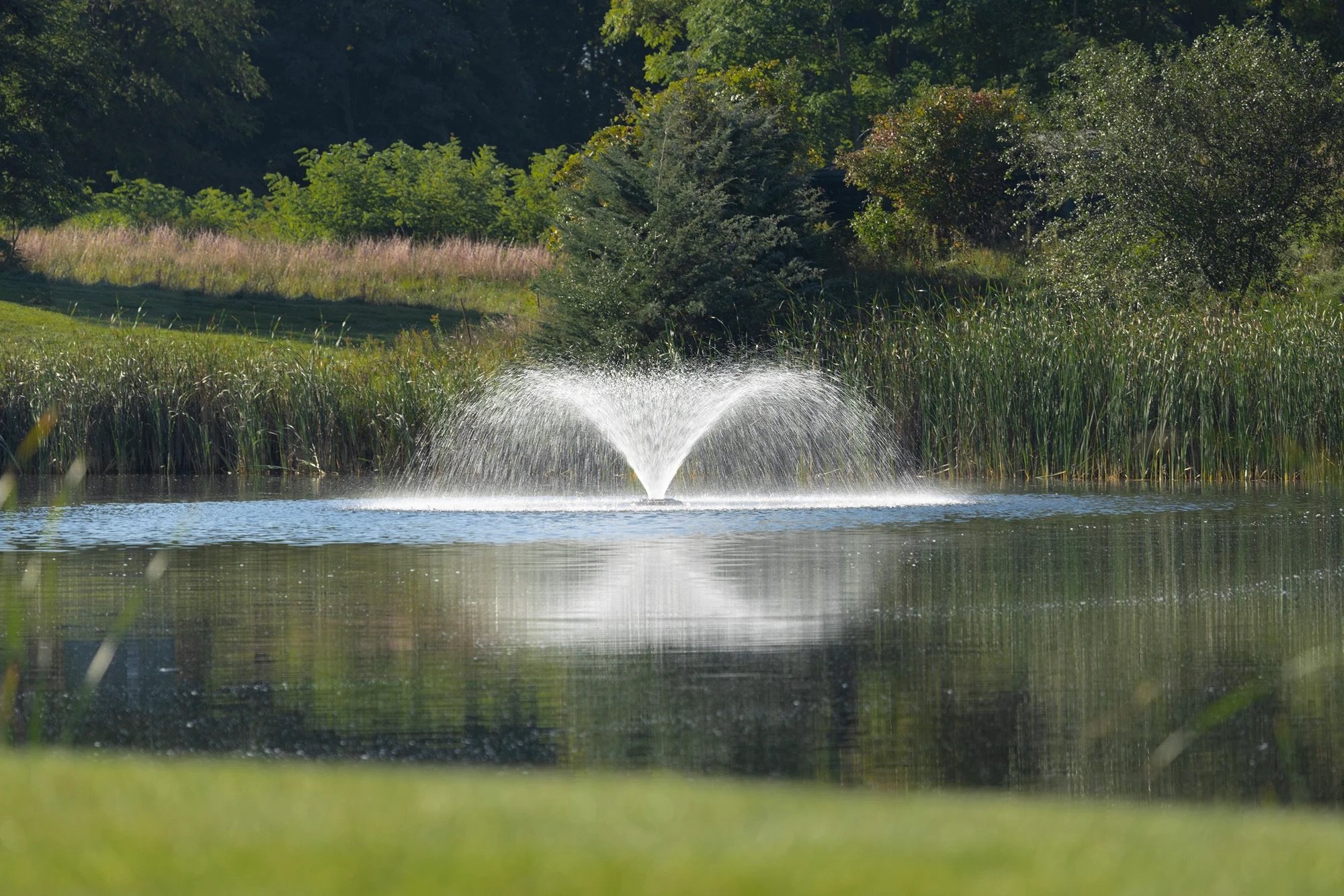
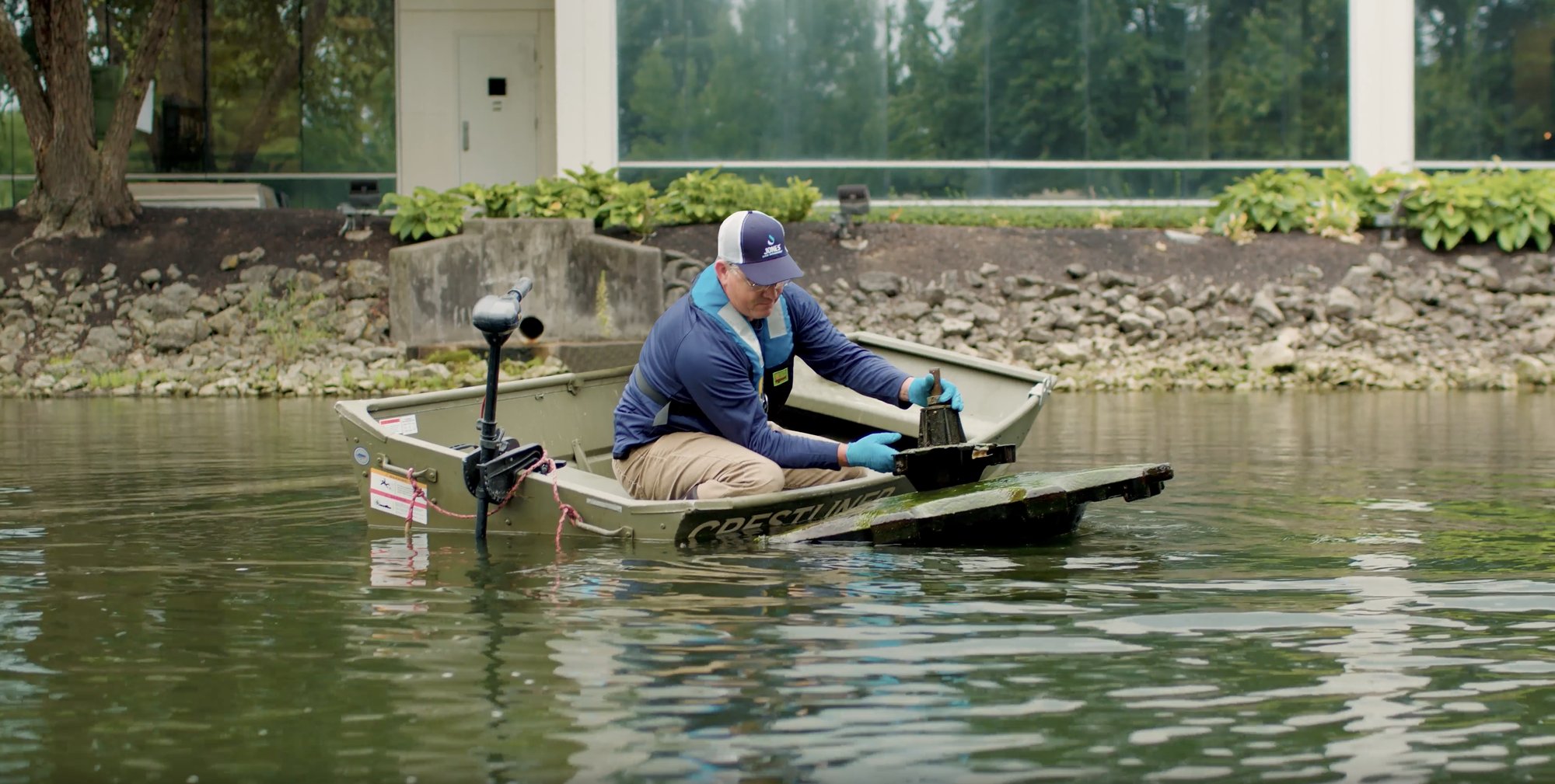
Floating fountains enhance circulation and aesthetics during warmer months, but in most New England ponds they should be removed before prolonged freezing occurs. Ice can damage motors, floats, cables, and electrical components if fountains are left in place.
Winter is the ideal time to perform fountain maintenance, including:
-
Thorough cleaning to remove debris and mineral buildup
-
Inspecting cords, seals, and fittings
-
Scheduling oil and seal service as recommended by the manufacturer
In some milder coastal or southern New England locations, pond owners may be able to leave fountains in place by positioning a diffuser beneath them. Rising air bubbles help keep water open and reduce ice buildup. Always confirm manufacturer guidelines before attempting winter operation.
6. Nutrient Management with Beneficial Bacteria and Phosphorus Control
Winter is an important window for managing nutrients that fuel spring algae growth. Applying beneficial bacteria and microbes helps break down organic matter and improve overall water clarity.
In ponds with elevated nutrient levels, phosphorus-binding treatments can also be used to limit algae’s primary food source. Proactive nutrient management during the off-season gives ponds a cleaner, healthier start once temperatures rise.
Final Thoughts
A proactive winter pond maintenance plan helps New England pond owners avoid costly repairs and springtime water quality issues. From cattail removal and aeration adjustments to dredging, fish stocking, and nutrient control, these seasonal steps protect both the function and beauty of your pond.
With proper winter care, your pond will emerge healthier, clearer, and better prepared for the growing season ahead.
About Water & Wetland, A Jones Lake Management Partner
Water & Wetland is a trusted expert in lake, pond, and wetland management, providing science-based, environmentally responsible solutions. We help clients control invasive species and aquatic vegetation, restore shorelines, improve water quality, install and maintain aeration and circulation systems, conduct hydraulic dredging, stabilize sediment, manage wetlands, and enhance habitat. We understand the importance of proper permitting and regulatory compliance, ensuring that all projects meet local, state, and federal environmental standards. With a commitment to sustainability and science-based practices, Water & Wetland helps clients maintain thriving, well-balanced aquatic systems. As a Jones Lake Management Partner, we serve HOAs, golf courses, municipalities, and private landowners with customized plans designed to promote long-term ecological health. Visit us at www.waterandwetland.com