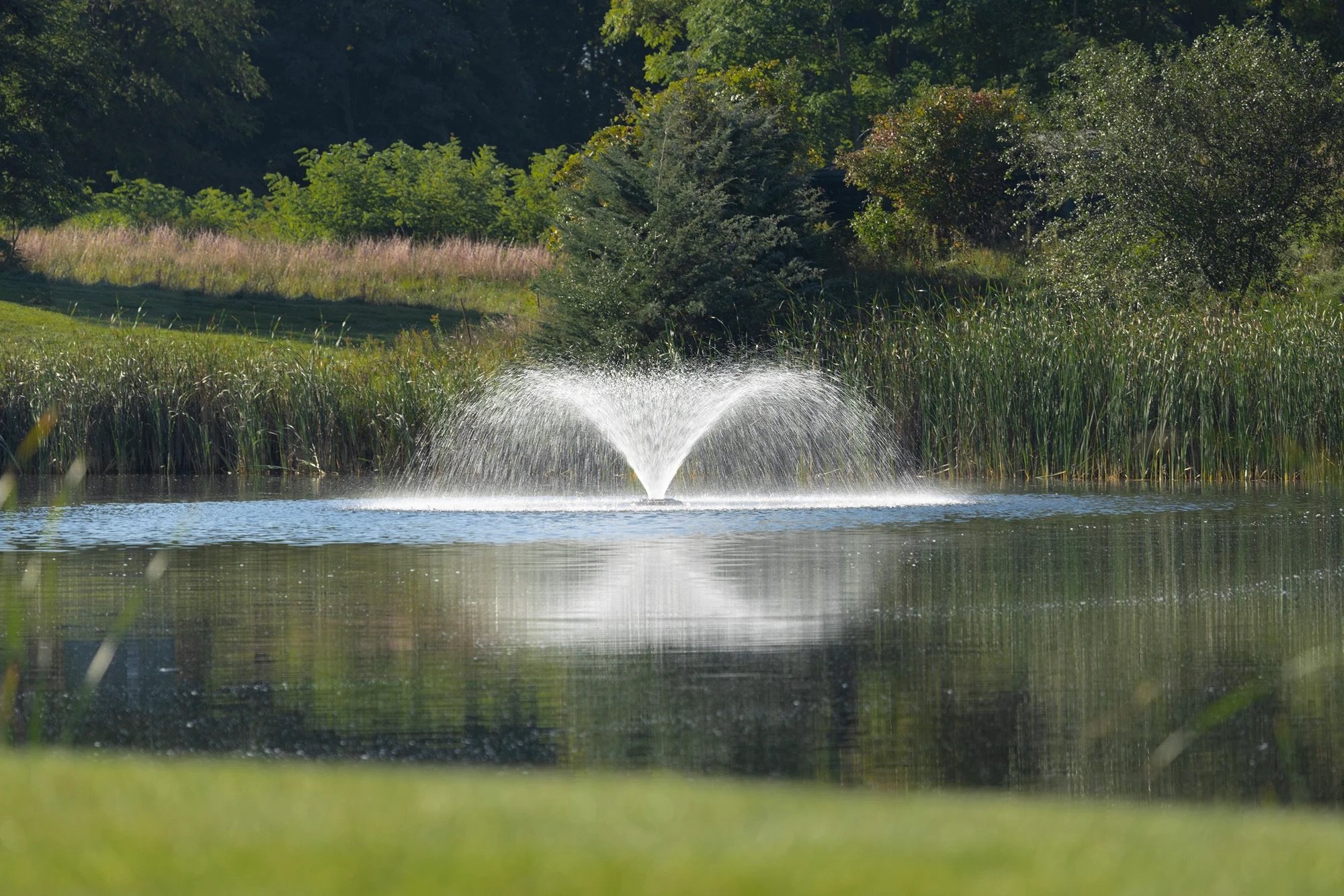
Healthy ponds and wetlands rely on more than just clean water; they depend on structure. Submerged and nearshore habitat plays a critical role in supporting fish, invertebrates, and the broader aquatic ecosystem. In New England, where seasonal changes, ice cover, and fluctuating water levels shape aquatic environments, thoughtful habitat design is essential for long-term ecological success.
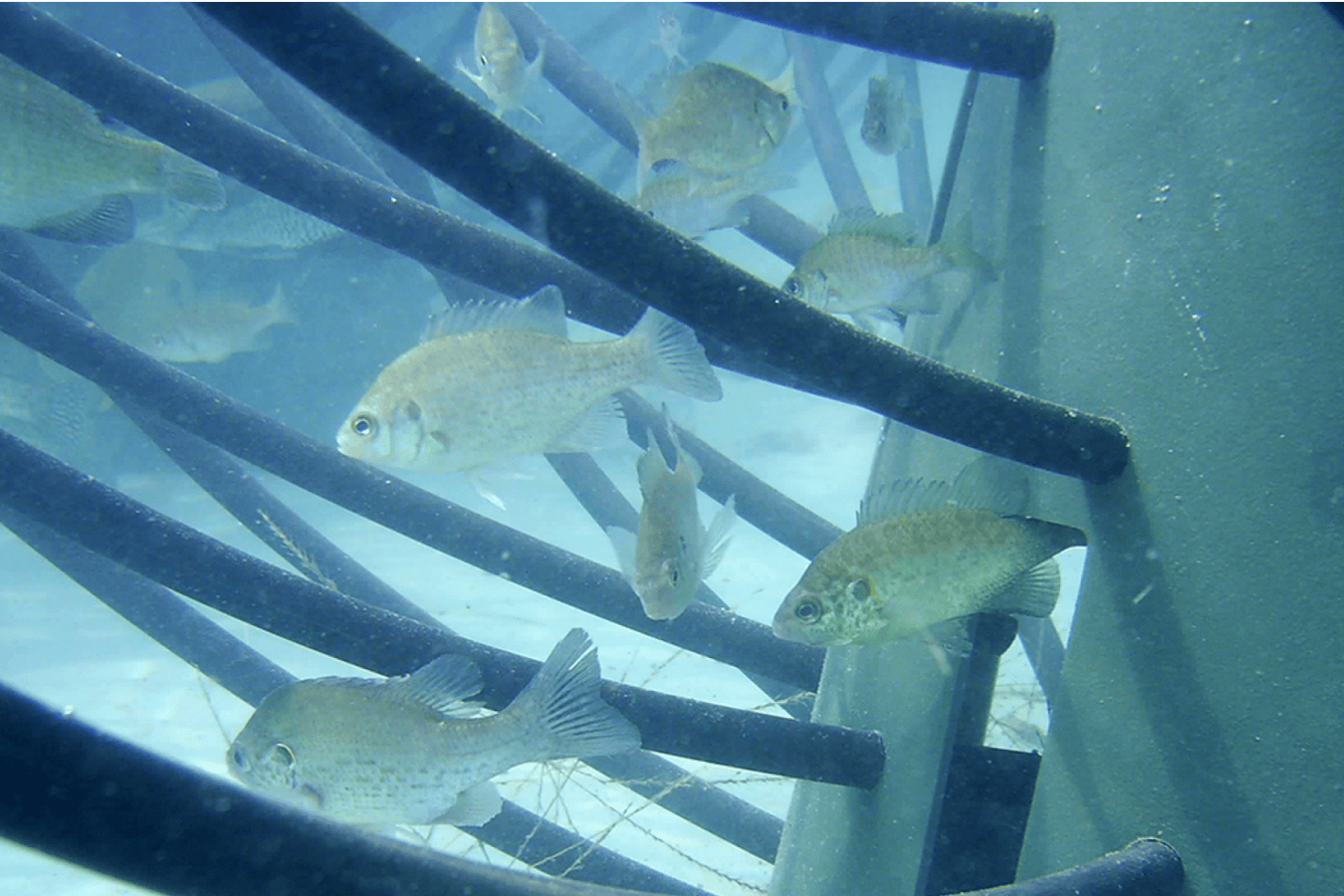
Fish of all species rely on structure throughout their life cycles. Shallow-water habitat provides refuge from predators, spawning and nesting surfaces, and protection for young fish. Deeper structure offers year-round cover and thermal refuge during hot summers and cold winters. Without adequate structure, ponds and wetlands often struggle to support diverse and resilient aquatic communities.
Natural materials such as fallen trees, brush, rocks, and woody debris historically filled this role in lakes, ponds, and wetlands across New England. However, modern pond construction, shoreline maintenance, and sediment removal often eliminate these features. Reintroducing structure helps restore ecological function by mimicking natural habitat conditions.
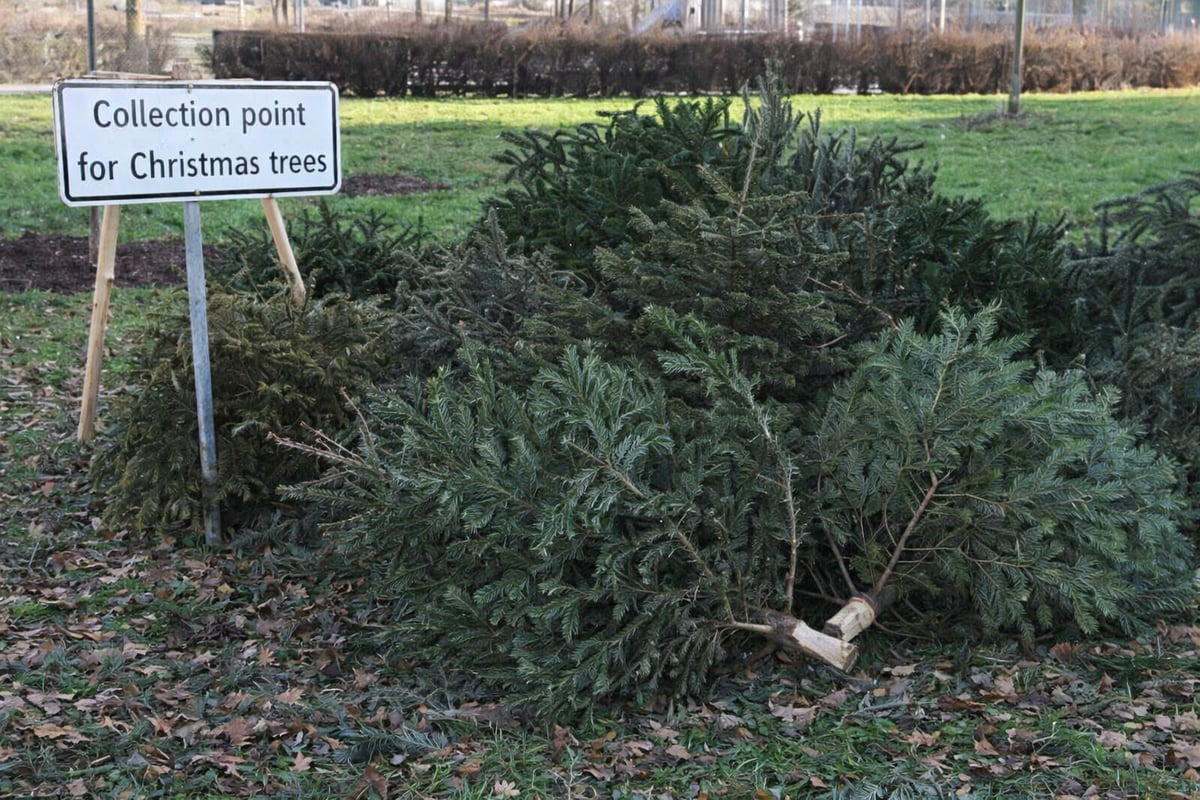
One of the simplest and most effective ways to add structure, especially during the winter months, is by recycling discarded Christmas trees. The holiday season presents a unique opportunity to repurpose these trees into valuable aquatic habitat rather than sending them to landfills. When placed in shallow water, Christmas trees provide complex branching that offers shelter, attachment surfaces, and protection for fish and aquatic organisms.


.jpeg?width=1200&length=1200&name=Image%20(1).jpeg)
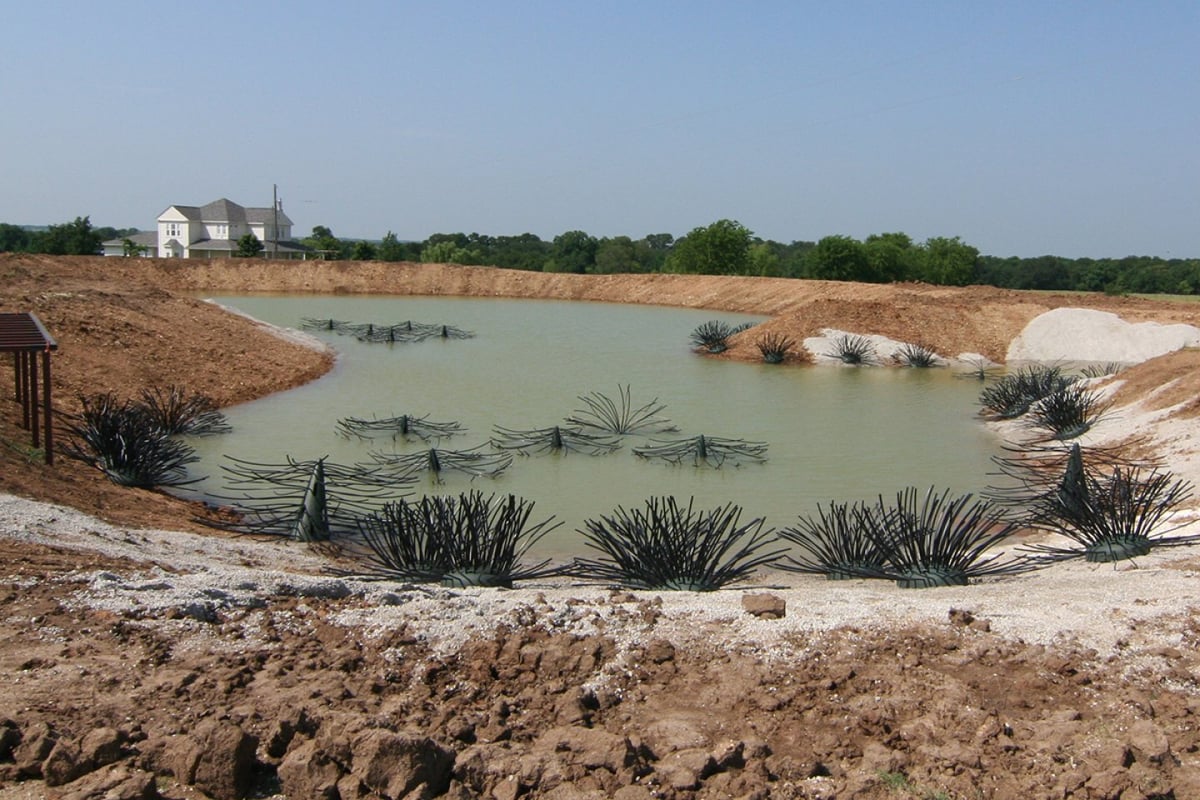
Over time, submerged Christmas trees become even more valuable. Algae, microorganisms, and aquatic insects colonize the branches, creating a rich food source that supports fish and amphibians. This increase in biological activity improves habitat complexity, enhances biodiversity, and contributes to overall pond and wetland health. In New England’s climate, where growing seasons are shorter, these added resources can make a meaningful difference.
Installing Christmas trees as habitat is straightforward. In open water conditions, trees can be weighted with concrete blocks, bricks, or other natural materials and carefully placed in shallow areas near the shore. These locations are especially important for juvenile fish and spawning activity. During winter, frozen ponds make placement even easier. Trees can be positioned directly on the ice, where they will naturally sink into place as the ice melts in spring.
Structure can be installed at any time, whether during initial pond or wetland construction or as part of ongoing habitat enhancement efforts. Placing structure at multiple depths ensures that aquatic species have access to cover throughout the year, regardless of seasonal water level changes.
At Water & Wetland, the focus is on creating sustainable, functional aquatic systems that work with nature. While fish populations are influenced by many factors, including water quality, hydrology, and surrounding land use, habitat structure remains one of the most important and often overlooked components of pond and wetland management.
By incorporating natural materials like recycled Christmas trees, landowners and managers can make a meaningful, environmentally responsible investment in habitat health. Sometimes, the most effective ecological solutions are also the simplest. Before setting that Christmas tree out for disposal, consider giving it a second life in your pond or wetland. Doing so supports fish, improves habitat, and keeps a natural resource in use.
About Water & Wetland, A Jones Lake Management Partner
Water & Wetland is a trusted expert in lake, pond, and wetland management, providing innovative and environmentally responsible solutions to control invasive species, restore shorelines, and improve water quality. As a Jones Lake Management Partner, we serve HOAs, golf courses, municipalities, and private landowners with customized lake and pond management plans designed to promote long-term ecological health. We understand the importance of proper permitting and regulatory compliance, ensuring that all projects meet local, state, and federal environmental standards. With a commitment to sustainability and science-based practices, Water & Wetland helps clients maintain thriving, well-balanced waterbodies.