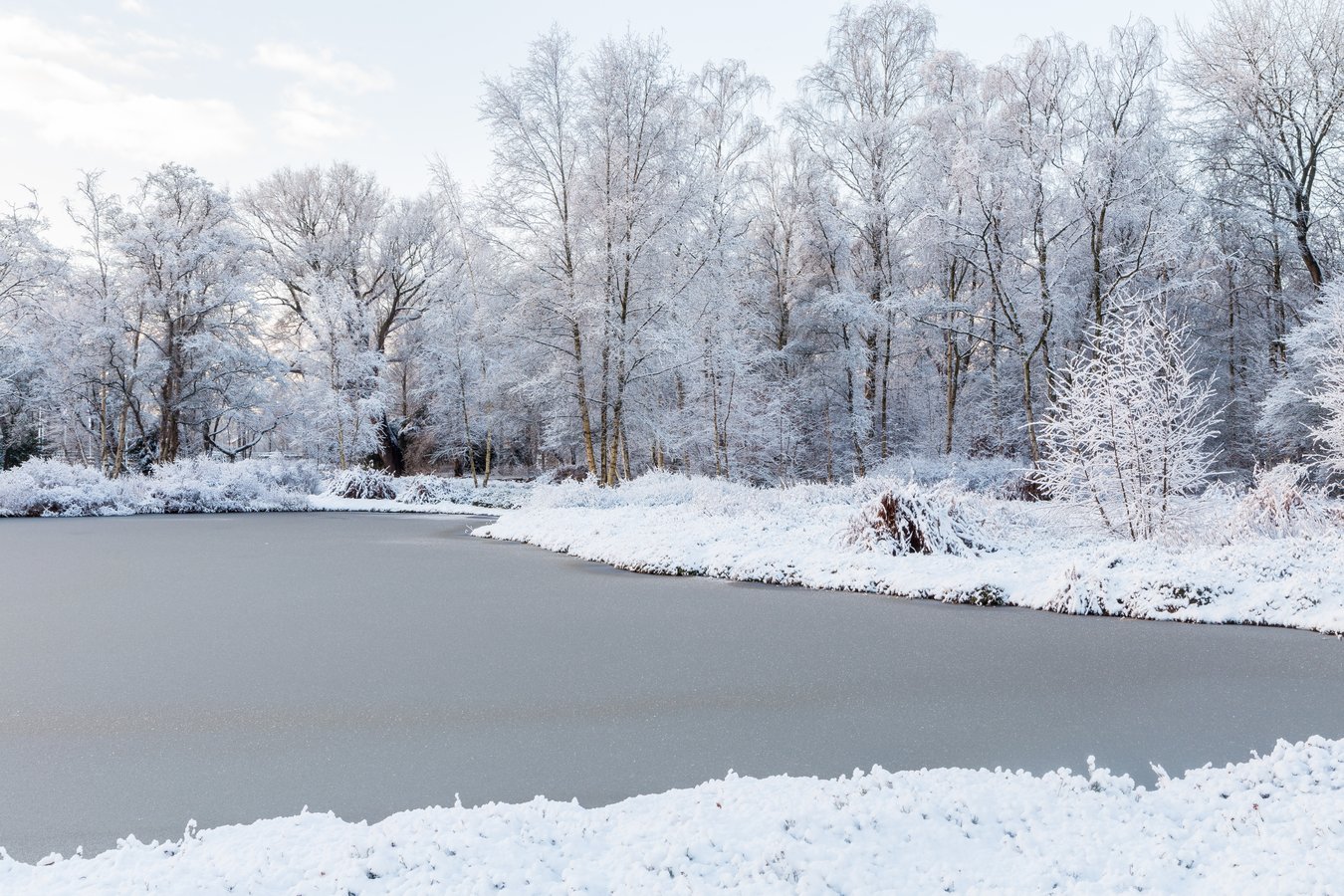
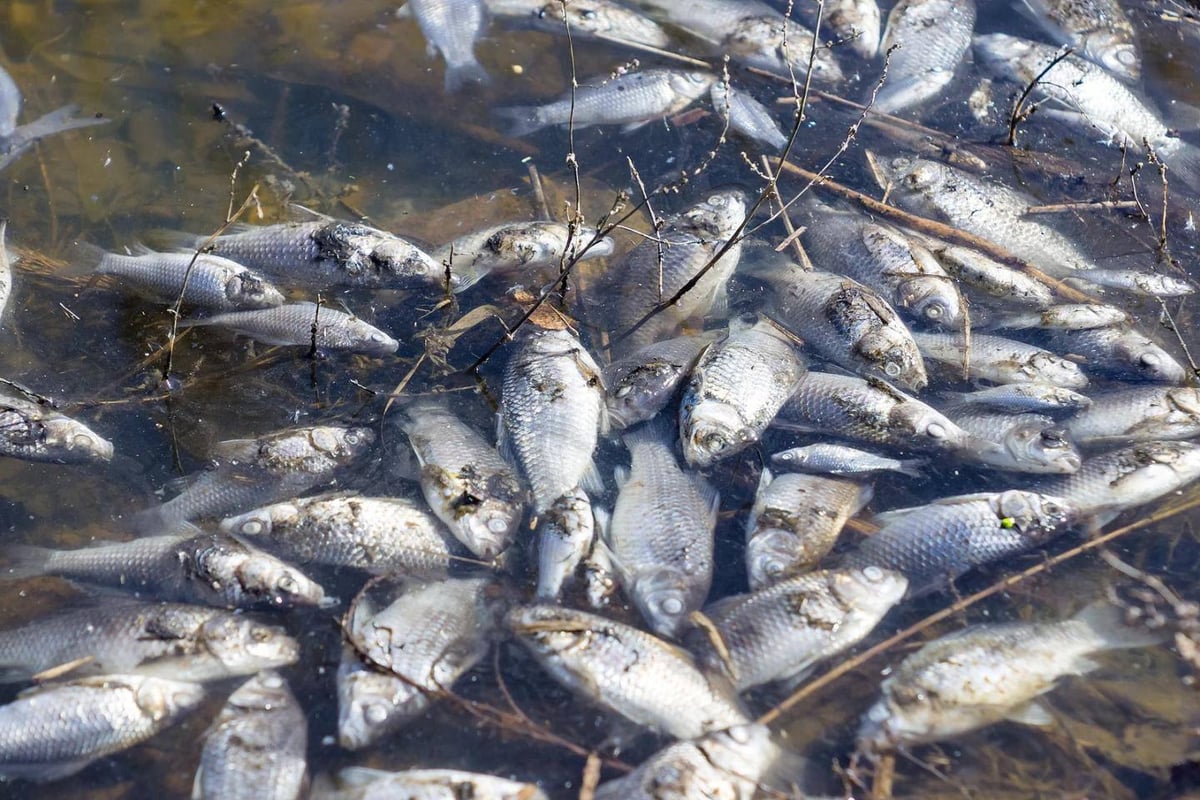
As temperatures drop and ice begins to form, New England ponds face unique winter challenges that can threaten fish health and overall pond stability. Prolonged freezing, heavy snowfall, and limited sunlight can quickly deplete oxygen causing a serious and often unexpected winter fish kill. With the right preparation, you can protect your fish, your ecosystem, and your investment all season long.
Why Winter Fish Kills Happen in New England
New England’s long, cold winters create the perfect conditions for oxygen depletion. Ice and snow seal the pond surface for extended periods, preventing light penetration and stopping natural gas exchange.
Meanwhile, organic material such as leaves, muck, dead vegetation, and summer algae continues to decompose under the ice, consuming valuable oxygen.
Fish kills are most common in:
- Shallow ponds
- Nutrient-rich or stagnant ponds
- Ponds with algae problems or low water clarity
- Ponds with heavy muck or organic buildup
If your pond struggled with algae, aquatic weeds, or water quality issues during the summer, it’s at an increased risk heading into a New England winter.
Aeration: Your Most Effective Winter Protection Strategy
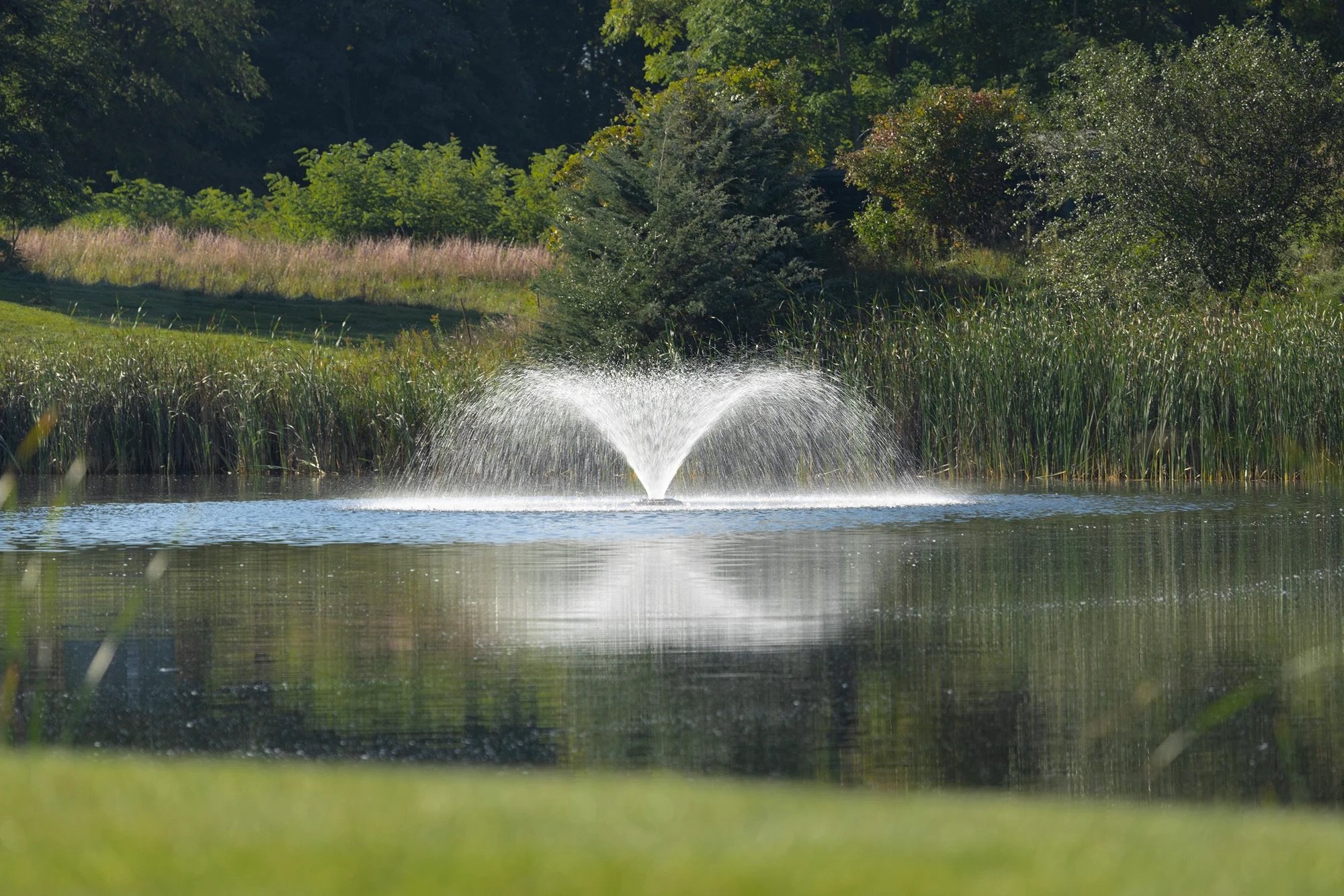
A diffused aeration system is one of the best ways to prevent winter fish kills across New England. Aeration keeps a portion of the pond’s surface open, allowing oxygen to circulate and toxic gases to escape.
For winter pond protection:
- Run your aerator year-round with wintertime adjustments. In cold climates like New England, moving diffusers to shallower water helps prevent supercooling and protects overwintering fish.
- Inspect equipment before freeze-up. Check compressors, diffusers, air lines, and electrical connections to ensure reliable performance during harsh winter weather.
A properly designed aeration system dramatically improves winter survival rates.


Reduce Organic Material Before Freeze-Up
Protecting your pond during winter begins with what you do in the fall. New England ponds accumulate large amounts of leaves, pine needles, and plant debris, making fall cleanup critical.
Key steps include:
- Remove leaves, dead vegetation, and shoreline debris to reduce nutrient load and oxygen demand.
- Trim back emergent vegetation such as cattails or phragmites.
- Use cold-water beneficial bacteria treatments to break down sludge even as temperatures drop below 52°F. These blends work throughout late fall and early winter, helping maintain balance as ice forms.
A cleaner pond in autumn means better oxygen levels under the ice.
Ice Safety for People, Pets, and Property
New England’s freeze-thaw cycles can make pond ice unpredictable, even when it appears solid. Aeration systems create additional weak spots that can’t be seen from the surface.
Important safety precautions:
- Never walk on ponds with aeration running.
- Clearly mark aeration zones and thin-ice areas with posts, flags, or rope barriers.
- Keep pets leashed and kids supervised near winter ponds.
- Avoid snow-covered ice, which hides cracks and open water.
- Keep rescue tools nearby, such as a rope, throw ring, or long pole.
- Taking these steps ensures both aquatic and human safety all winter long.
Protect Your Pond Year-Round
A proactive management plan is the best way to safeguard your pond through New England winters. Water & Wetland provides customized aeration programs, water quality testing, beneficial bacteria treatments, and seasonal pond maintenance designed for the region’s demanding climate.
Prepare before ice forms for the best winter protection.
About Water & Wetland, A Jones Lake Management Partner
Water & Wetland is a trusted expert in lake, pond, and wetland management, providing innovative and environmentally responsible solutions to control invasive species, restore shorelines, and improve water quality. As a Jones Lake Management Partner, we serve HOAs, golf courses, municipalities, and private landowners with customized lake and pond management plans designed to promote long-term ecological health. We understand the importance of proper permitting and regulatory compliance, ensuring that all projects meet local, state, and federal environmental standards. With a commitment to sustainability and science-based practices, Water & Wetland helps clients maintain thriving, well-balanced waterbodies.