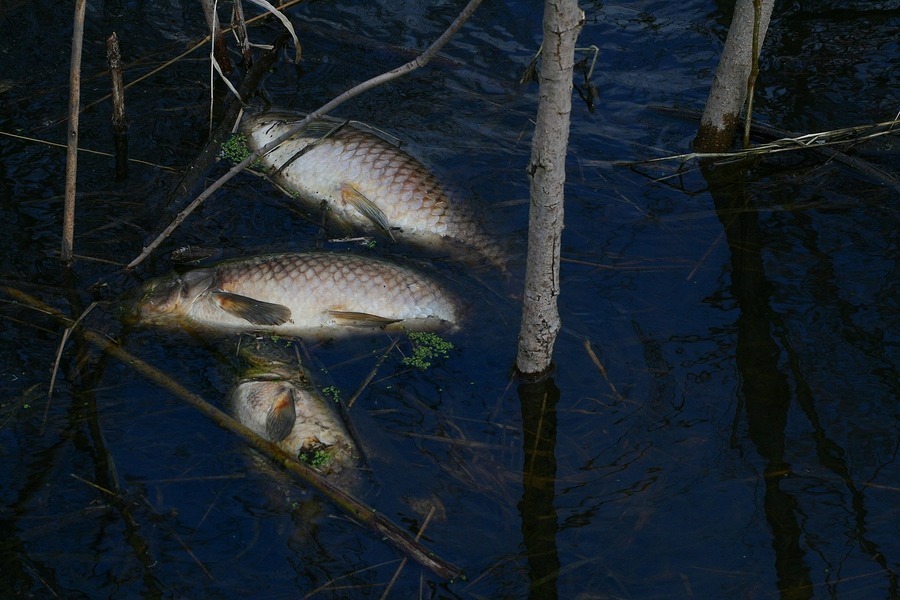
Spring fish kills are a frequent concern for pond and lake owners throughout New England as ice recedes and temperatures begin to rise. Coming across fish along the shoreline can be distressing, but in most cases, these incidents are tied to natural seasonal transitions. Understanding why spring fish kills occur and taking preventative steps can greatly reduce fish loss while supporting long-term water quality.
Why Do Spring Fish Kills Happen?
In the Northeast, extended winters with prolonged ice cover create challenging conditions for aquatic life. Most spring fish mortality events are associated with depleted dissolved oxygen, environmental stress, and fish population imbalances.
-
Oxygen Depletion After Ice Out
Throughout winter, thick ice and snow restrict oxygen exchange between the air and water, while submerged vegetation, leaves, and organic sediment continue decomposing beneath the surface. This natural breakdown steadily consumes dissolved oxygen. By late winter, levels may already be dangerously low, particularly in shallow ponds. When ice melts and temperatures shift, fish that have endured months of stress may not survive. Smaller ponds are especially vulnerable because they hold less total oxygen volume.
-
Spring Mixing and Temperature Changes
During colder months, ponds form distinct temperature layers. As surface water warms in early spring, it mixes with colder bottom water in a process known as turnover. Bottom water often contains very little oxygen after winter, and when mixing occurs, oxygen levels can decline rapidly throughout the pond. Without proper circulation, this sudden change may result in fish stress or widespread mortality.
-
Post Winter Stress and Disease
Fish typically enter spring in weakened condition due to reduced feeding and prolonged environmental stress. As temperatures rise and spawning begins, fish expend additional energy, further taxing their immune systems. This increased stress can make them more susceptible to bacterial and fungal infections, and when low oxygen conditions are present at the same time, mortality rates can increase significantly.
-
Fishery Imbalance and Overcrowding
Fish population balance plays an important role in seasonal survival. Overstocked ponds create competition for limited food resources, leaving fish in poor condition heading into winter and less able to tolerate early spring oxygen fluctuations. Maintaining proper predator to forage ratios helps stabilize the ecosystem. Predators such as bass rely on forage species like fathead minnows and golden shiners. Too many forage fish increase biomass and oxygen demand, while too few weaken predator health. Balanced fisheries are better equipped to withstand seasonal transitions.
Preventing Spring Fish Kills
Although seasonal weather patterns cannot be controlled, proactive pond management can significantly lower the risk of spring fish loss.
- Install and Maintain Aeration
A properly designed aeration system is one of the most effective tools for supporting dissolved oxygen levels. Bottom diffused aeration promotes water circulation, limits temperature layering, and reduces the severity of spring turnover. Winter aeration can also help maintain openings in the ice, allowing oxygen exchange during extended freeze periods.
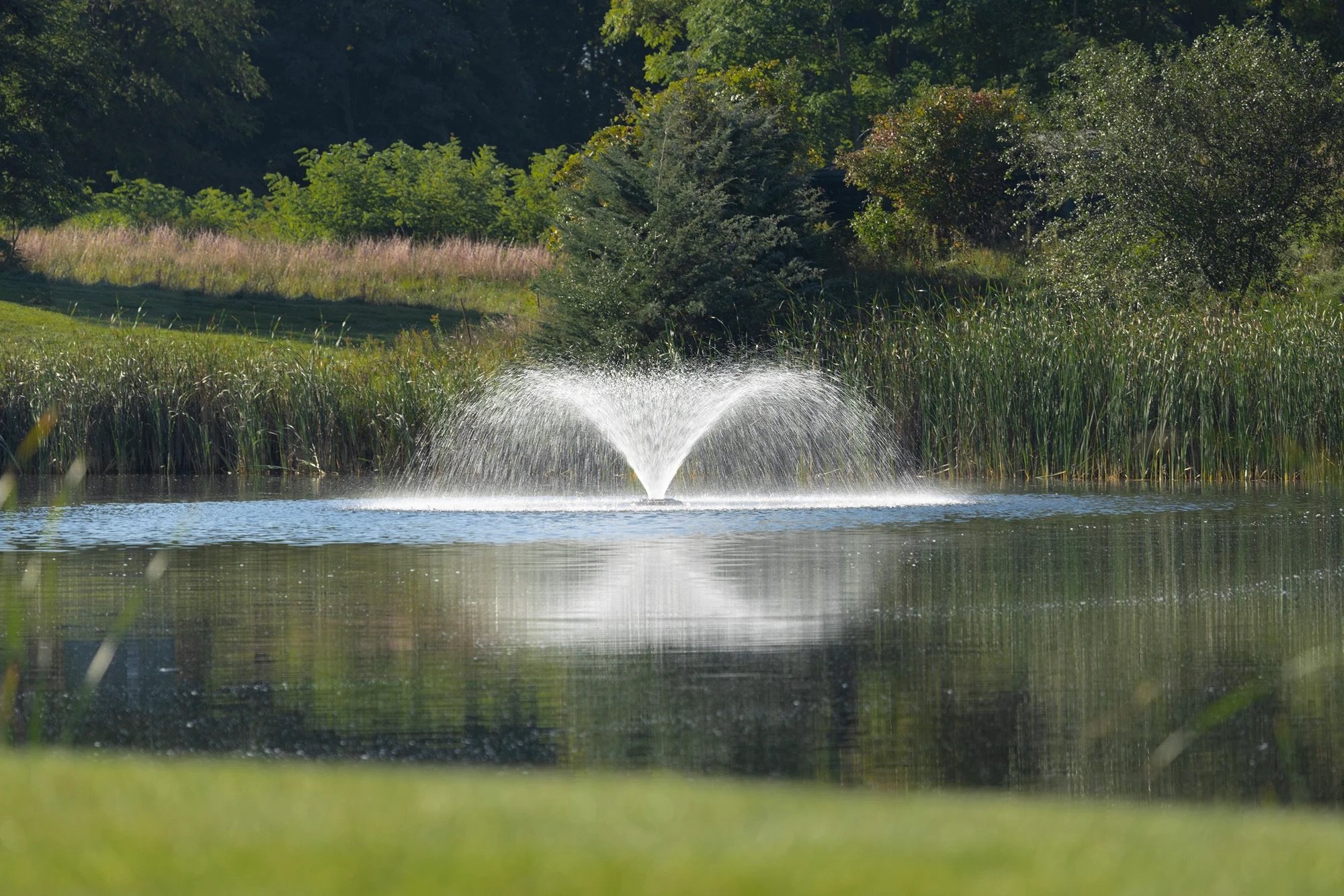
Surface aerators and fountains further enhance circulation and oxygen transfer while improving the appearance of the water body. Proper system sizing based on pond depth and surface area is essential for optimal results. Water and Wetland offers flexible aeration leasing options, making this important investment more manageable and budget-friendly for your pond or lake. - Manage Nutrient Inputs
Excess nutrients, especially phosphorus and nitrogen, encourage algae growth. When algae die and decompose, oxygen is consumed in the process. Elevated nutrient levels increase the likelihood of oxygen depletion during seasonal transitions.
Reducing fertilizer runoff, stabilizing shorelines, minimizing organic debris, applying phosphorus control products, and incorporating beneficial bacteria can help manage nutrient loading. Lower nutrient concentrations contribute to clearer water and more stable oxygen conditions. - Remove Excess Sediment
Over time, ponds accumulate nutrient-rich sediment and organic buildup. This material increases oxygen demand and reduces water depth, making systems more vulnerable to temperature swings and oxygen crashes.
Professional dredging removes accumulated muck, restores water volume, and improves overall water quality, particularly in older ponds that experience recurring fish kills. - Monitor Water Quality
Routine testing of dissolved oxygen, pH, and nutrient levels allows potential issues to be identified early. Shallow ponds under eight feet deep require especially close observation during late winter and early spring. - Support Balanced Fish Populations
Strategic fish stocking and ongoing fishery management help maintain healthy predator-to-forage ratios. Annual forage stocking can improve predator nutrition, distribute biomass more evenly, and reduce biological stress within the system. When combined with aeration and nutrient control, balanced fisheries significantly lower the risk of spring fish mortality.
Protect Your Pond with Professional Management
Spring fish kills are often the result of predictable environmental stress, but they are frequently preventable with a science-based management plan. Aeration, nutrient management, sediment control, and fish population balance work together to promote year-round stability.
Early intervention is key. Monitoring oxygen levels, addressing excess nutrients before algae blooms develop, and maintaining strong fish populations help protect both ecosystem health and property value.
Water & Wetland provides professional pond and lake management services tailored to the unique conditions of New England waterbodies. From aeration system design and nutrient reduction programs to dredging and fisheries management, our team delivers practical, long-term solutions.
If you want to reduce the risk of spring fish kills and ensure your pond is prepared for the season ahead, contact Water & Wetland to schedule a professional assessment and build a proactive management plan.
About Water & Wetland, A Jones Lake Management Partner
Water & Wetland is a trusted expert in lake, pond, and wetland management, providing science-based, environmentally responsible solutions. We help clients control invasive species and aquatic vegetation, restore shorelines, improve water quality, install and maintain aeration and circulation systems, conduct hydraulic dredging, stabilize sediment, manage wetlands, and enhance habitat. We understand the importance of proper permitting and regulatory compliance, ensuring that all projects meet local, state, and federal environmental standards. With a commitment to sustainability and science-based practices, Water & Wetland helps clients maintain thriving, well-balanced aquatic systems. As a Jones Lake Management Partner, we serve HOAs, golf courses, municipalities, and private landowners with customized plans designed to promote long-term ecological health. Visit us at www.waterandwetland.com