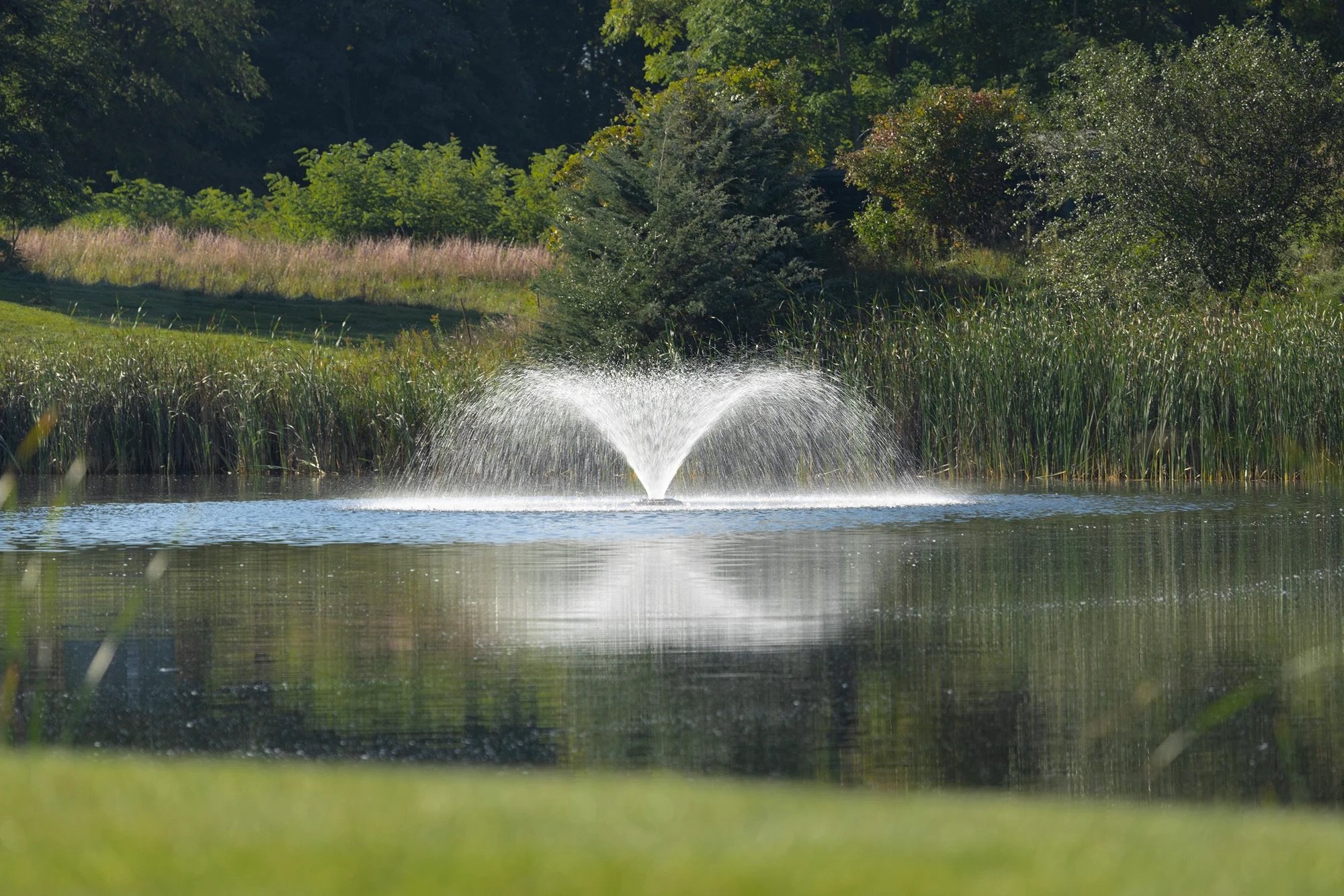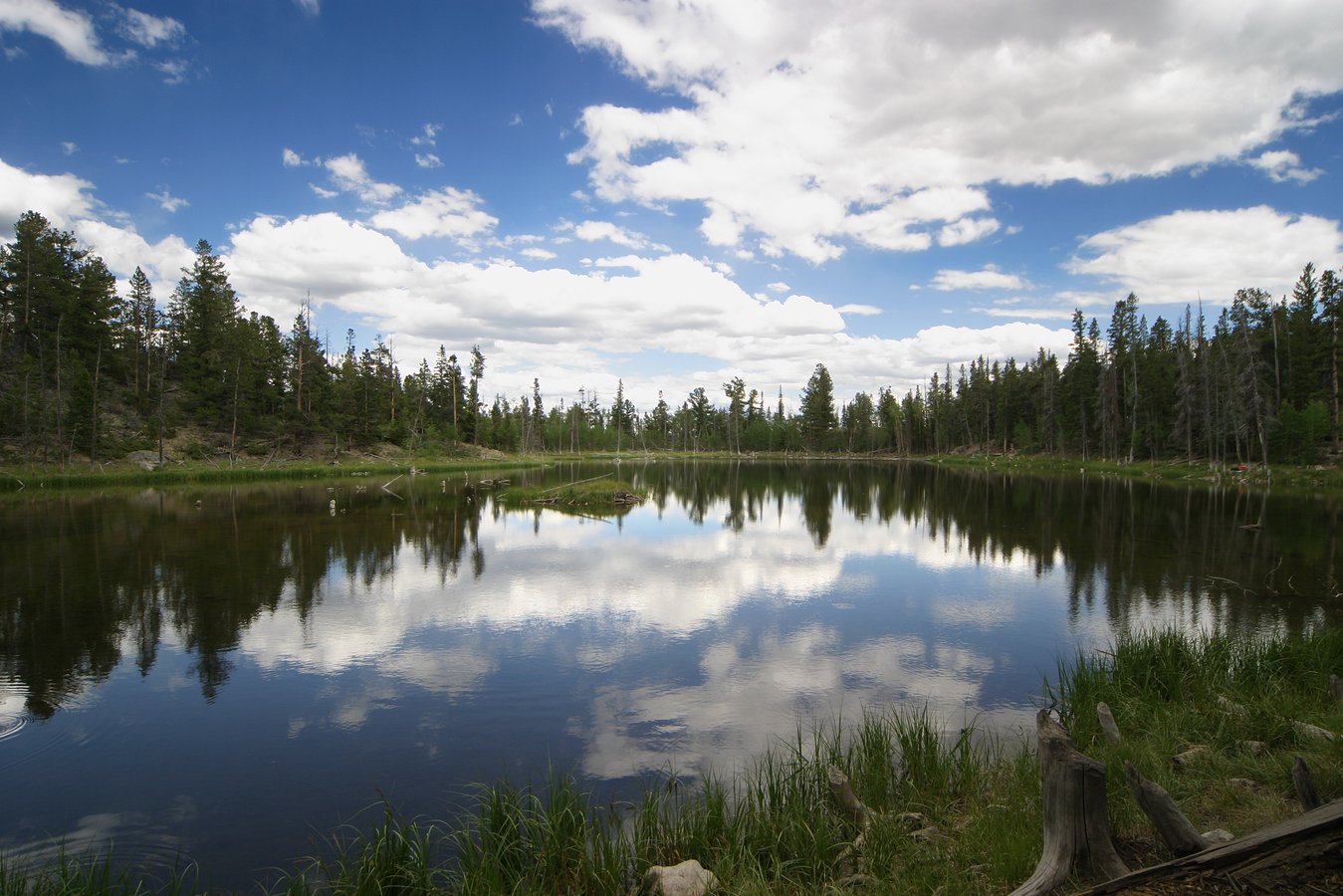
As winter recedes across Massachusetts and Connecticut, pond owners begin to see early signs of spring and increased aquatic activity. While the transition may feel slow, early spring is actually the most important time to implement a proactive pond management plan. Addressing potential issues now reduces the need for costly, reactive treatments later in the season.
Why Spring Start-Up Matters in New England Ponds
Ponds in New England warm more slowly than those in southern climates, but the cooler waters still allow algae and invasive weeds to gain a foothold quickly once temperatures rise. A proactive spring start-up focuses on prevention, saving time, money, and headaches throughout the growing season in cities and towns throughout Massachusetts and Connecticut.
Water Quality Testing and Monitoring
Healthy ponds begin with good water quality. Water and Wetland includes routine monitoring in every management plan to track seasonal changes, spot emerging problems, and guide timely treatments. Many pond owners also choose to include water quality testing, particularly in the spring, to establish a baseline for nutrients, oxygen, and overall chemistry. These insights allow for science-backed decisions and more effective long-term management.
Get Ahead of Algae Growth
Even in cooler New England climates, filamentous algae and cyanobacteria can begin appearing as water temperatures rise into the 50s. Early spring treatments, including algaecides and beneficial bacteria, prevent these nuisance blooms from establishing and spreading. Acting early is far more cost-effective than treating full-scale blooms later in the season.
Aeration: Start Early for Best Results
Aeration is critical for maintaining oxygen levels, reducing muck, and supporting a balanced pond ecosystem. Spring is the ideal time to inspect and restart your aeration system to ensure optimal performance as water temperatures climb.
Proper aeration also supports biological treatments, enhances water clarity, and helps maintain a healthy fishery. For pond owners not ready to purchase a system outright, Water and Wetland offers leasing programs that provide full aeration benefits without the upfront cost.
Maintain a Balanced Fishery
A healthy pond also relies on a balanced fish population. In Massachusetts and Connecticut ponds, species like bass and bluegill require proper ratios to prevent overpopulation and stunted growth.
Spring is a perfect time to assess your fishery, adjust stocking levels, and ensure your pond’s ecosystem remains stable. An imbalanced fishery can contribute to poor water quality, excessive algae, and long-term management challenges.
Shoreline Cleanup and Nutrient Control
Winter often leaves debris, fallen branches, and decaying organic matter that contribute to nutrient loading in spring. Removing this material early limits algae fuel and improves water quality.
Creating native plantings and a healthy buffer along the shoreline further prevents nutrients from entering the water. In New England, where spring rains can carry runoff from lawns, roads, and surrounding landscapes, these buffers act as natural filters, reducing algae growth and supporting a healthy pond ecosystem.
Additional Considerations
Many pond owners focus on visible problems but overlook components of long-term success.
Consider these in early spring:
-
Sediment and muck management to maintain water depth and quality
-
Watershed evaluation to identify external nutrient sources
-
Regular inspections of inflow and outflow structures
-
Planning for summer stressors such as hot spells and heavy rainfall
Partner with Experts for Long-Term Success
Effective pond management in Massachusetts and Connecticut requires more than occasional treatments, it demands a science-backed, proactive approach. Partnering with Water and Wetland ensures your pond is monitored, managed, and treated using proven strategies tailored to your specific conditions.
Experienced professionals help identify early warning signs, apply treatments at the right time, and adapt strategies as conditions change. This approach maximizes results while helping control costs over time.
Act Now Before Issues Arise
Spring is the time to take control of your pond before problems begin. With proactive management, consistent monitoring, and expert guidance, your Massachusetts or Connecticut pond can remain clear, balanced, and beautiful all season long, while reducing long-term maintenance costs.
About Water & Wetland, A Jones Lake Management Partner
Water & Wetland is a trusted expert in lake, pond, and wetland management, providing science-based, environmentally responsible solutions throughout Massachusetts, Connecticut and the New England region. We help clients control invasive species and aquatic vegetation, restore shorelines, improve water quality, install and maintain aeration and circulation systems, conduct hydraulic dredging, stabilize sediment, manage wetlands, and enhance habitat. We understand the importance of proper permitting and regulatory compliance, ensuring that all projects meet local, state, and federal environmental standards. With a commitment to sustainability and science-based practices, Water & Wetland helps clients maintain thriving, well-balanced aquatic systems. As a Jones Lake Management Partner, we serve HOAs, golf courses, municipalities, and private landowners with customized plans designed to promote long-term ecological health. Visit us at www.waterandwetland.com