Lake & Pond Sediment Solutions in New England
Sediment buildup is one of the most common, and expensive, problems facing lake and pond owners across New England. In Massachusetts and Connecticut especially, seasonal runoff, aging waterbodies, and dense vegetation accelerate sediment accumulation, reducing depth, harming water quality, and fueling algae and weed growth.
While lake dredging is often viewed as the ultimate fix, proactive sediment management can significantly delay, or even minimize, the need for this major investment.
What Causes Sediment Buildup in MA & CT?
In New England, sediment accumulation is driven by a combination of environmental and human factors:
-
Stormwater runoff from heavy rains and snowmelt
-
Shoreline erosion common in older ponds and lakes
-
Decaying leaves and organic debris from surrounding trees
-
Nutrient loading from fertilizers and nearby development
Over time, this material settles on the bottom, creating shallow zones that promote aquatic weeds and harmful algal blooms, a growing concern in Massachusetts lakes and Connecticut ponds.
Without intervention, sediment can reduce water depth by inches, or even feet, impacting both usability and ecosystem health.
Proven Sediment Reduction Strategies
The most effective way to manage sediment is to stop it before it enters your waterbody. Across New England, these best practices are widely used in lake management programs:
1. Watershed & Stormwater Management
Installing buffer zones, rain gardens, and erosion control measures helps reduce sediment runoff into lakes and ponds. This is especially critical in developed areas throughout MA and CT.
2. Lake & Pond Aeration Systems
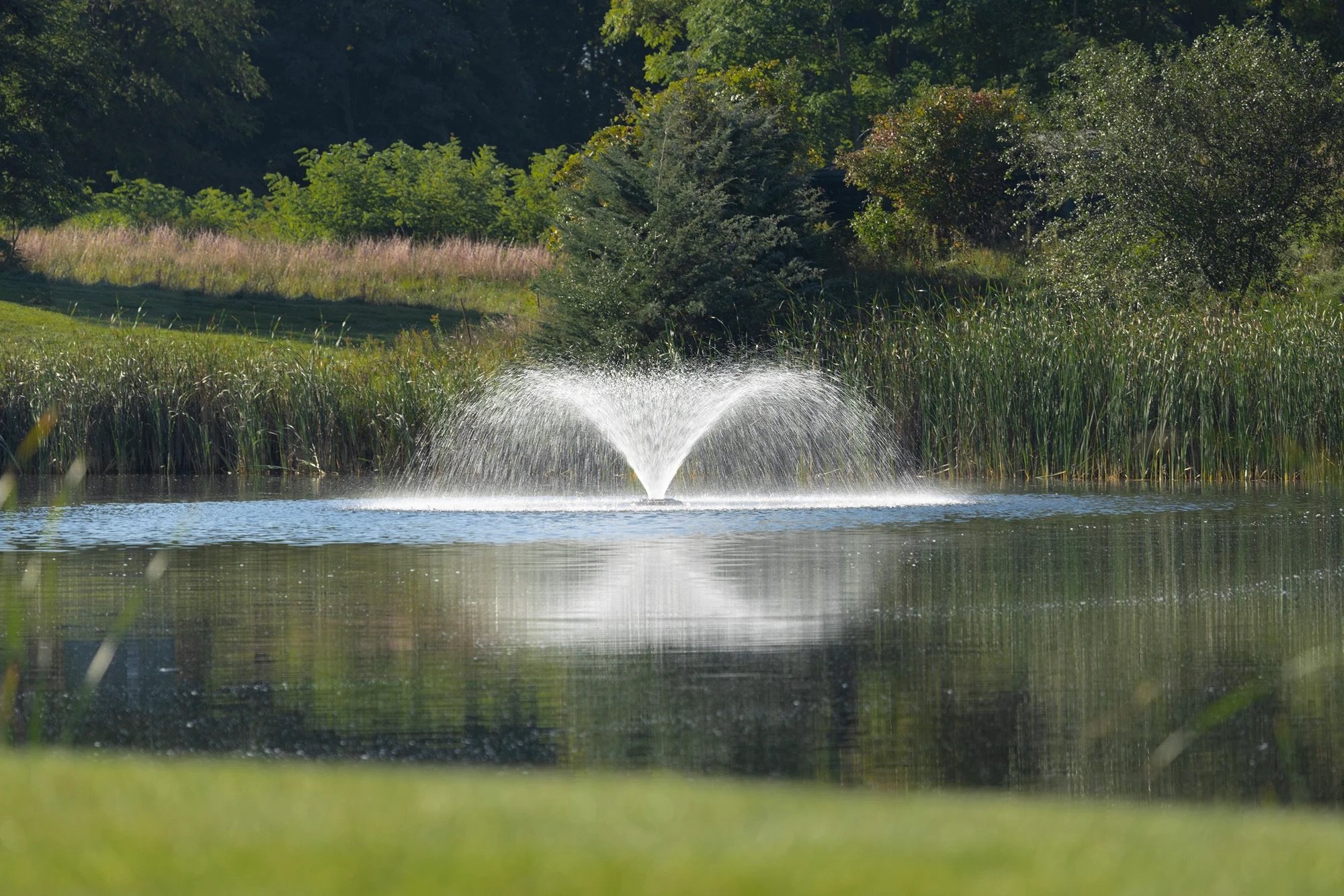
Lake aeration in Massachusetts and Connecticut is one of the most effective tools for improving water quality. Aeration increases oxygen levels, helping break down organic material and reduce muck buildup.
3. Beneficial Bacteria for Ponds
Applying beneficial bacteria treatments helps naturally digest organic sludge. These treatments are commonly used in New England pond maintenance to reduce sediment layers and improve clarity.
4. Routine Debris Removal
Removing leaves, algae, and plant debris prevents organic material from settling and contributing to sediment accumulation.
5. Shoreline Stabilization
Eroding banks are a major sediment source. Stabilizing shorelines with native plants, riprap, or bioengineering techniques protects your pond while enhancing habitat.
When Is Dredging Necessary?
Even with proactive management, sediment can eventually reach levels where lake dredging becomes necessary.
Common signs include:
-
Noticeably reduced water depth
-
Excessive weed and algae growth
-
Poor water circulation
-
Declining fish habitat
In Massachusetts and Connecticut, many aging ponds and lakes require dredging after decades of buildup.
Spot Dredging vs. Full Dredging
- Spot dredging targets high-sediment areas like inlets and coves, offering a cost-effective solution.
-
Full lake dredging is required when sediment is widespread throughout the entire waterbody.
Understanding Dredging Costs in New England
The cost of lake dredging in Massachusetts and Connecticut can be substantial. Most projects start around $100,000 and can reach several hundred thousand dollars depending on:
-
Site accessibility
-
Disposal requirements
-
Environmental permitting
Because of strict regulations in New England, planning ahead is critical to avoid delays and unexpected costs.
A Smarter Approach to Lake Management
The best long-term strategy combines sediment prevention, water quality management, and proactive planning.
Investing in:
-
Pond aeration systems
-
Beneficial bacteria applications
-
Erosion control solutions
Extend the life of your lake or pond and delay dredging for years, or even decades.
At the same time, dredging should be viewed as a strategic reset, not a failure. When paired with ongoing maintenance, it can restore depth, improve water quality, and create a healthier aquatic ecosystem.
Protect Your Lake or Pond in MA & CT
If you’re seeing signs of sediment buildup, algae blooms, or declining water quality, now is the time to act.
For lake and pond owners in Massachusetts, Connecticut, and across New England, implementing the right sediment control strategies today can protect your investment and ensure long-term performance.
Planning ahead, especially for dredging, can save significant time, money, and frustration down the road.
About Water & Wetland, A Jones Lake Management Partner
Water & Wetland is a trusted expert in lake, pond, and wetland management, providing science-based, environmentally responsible solutions throughout Massachusetts, Connecticut and the New England region. We help clients control invasive species and aquatic vegetation, restore shorelines, improve water quality, install and maintain aeration and circulation systems, conduct hydraulic dredging, stabilize sediment, manage wetlands, and enhance habitat. We understand the importance of proper permitting and regulatory compliance, ensuring that all projects meet local, state, and federal environmental standards. With a commitment to sustainability and science-based practices, Water & Wetland helps clients maintain thriving, well-balanced aquatic systems. As a Jones Lake Management Partner, we serve HOAs, golf courses, municipalities, and private landowners with customized plans designed to promote long-term ecological health. Visit us at www.waterandwetland.com