Mid-summer is one of the most important times to evaluate the health of your pond or lake. Across Massachusetts, Connecticut, and throughout New England, rising water temperatures can place significant stress on fish populations and water quality. A simple mid-summer fish health check can reveal early warning signs of oxygen depletion, algae-related issues, and other conditions that affect the long-term health of your aquatic ecosystem.
Whether you manage a residential pond, HOA community lake, golf course water feature, or municipal stormwater pond, observing fish behavior during the hottest months can help you address problems before they become costly.
Signs of Healthy Pond Fish
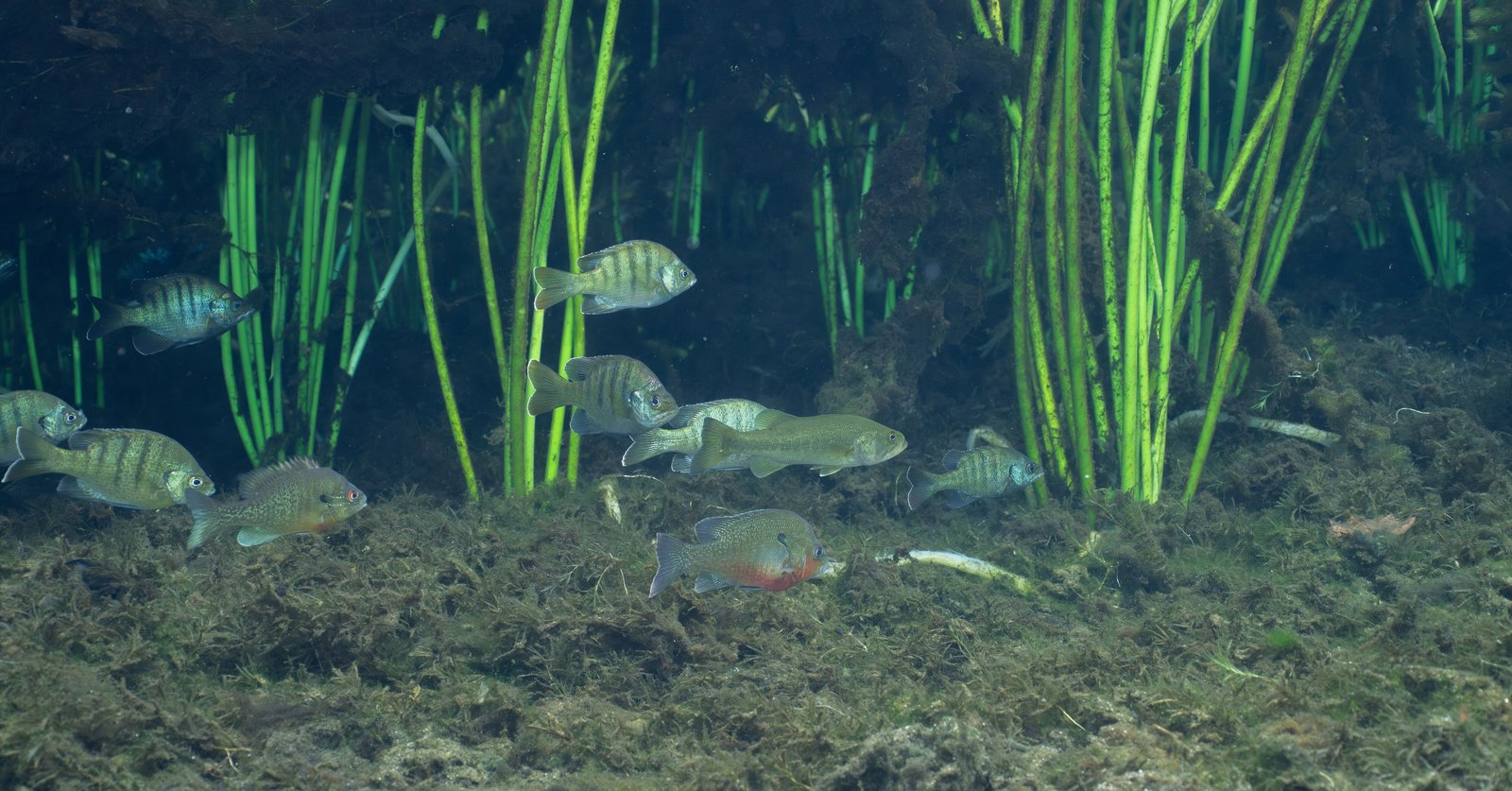
Healthy fish are one of the best indicators of a balanced pond ecosystem. Even during warm summer weather, fish should remain active and display normal behaviors throughout the day.
Signs of a healthy fish population include:
- Swimming comfortably throughout shallow and deeper water
- Regular feeding during normal feeding times
- Smooth, coordinated schooling behavior
- Little to no surface crowding during early morning hours
- Consistent activity without erratic swimming or unusual lethargy
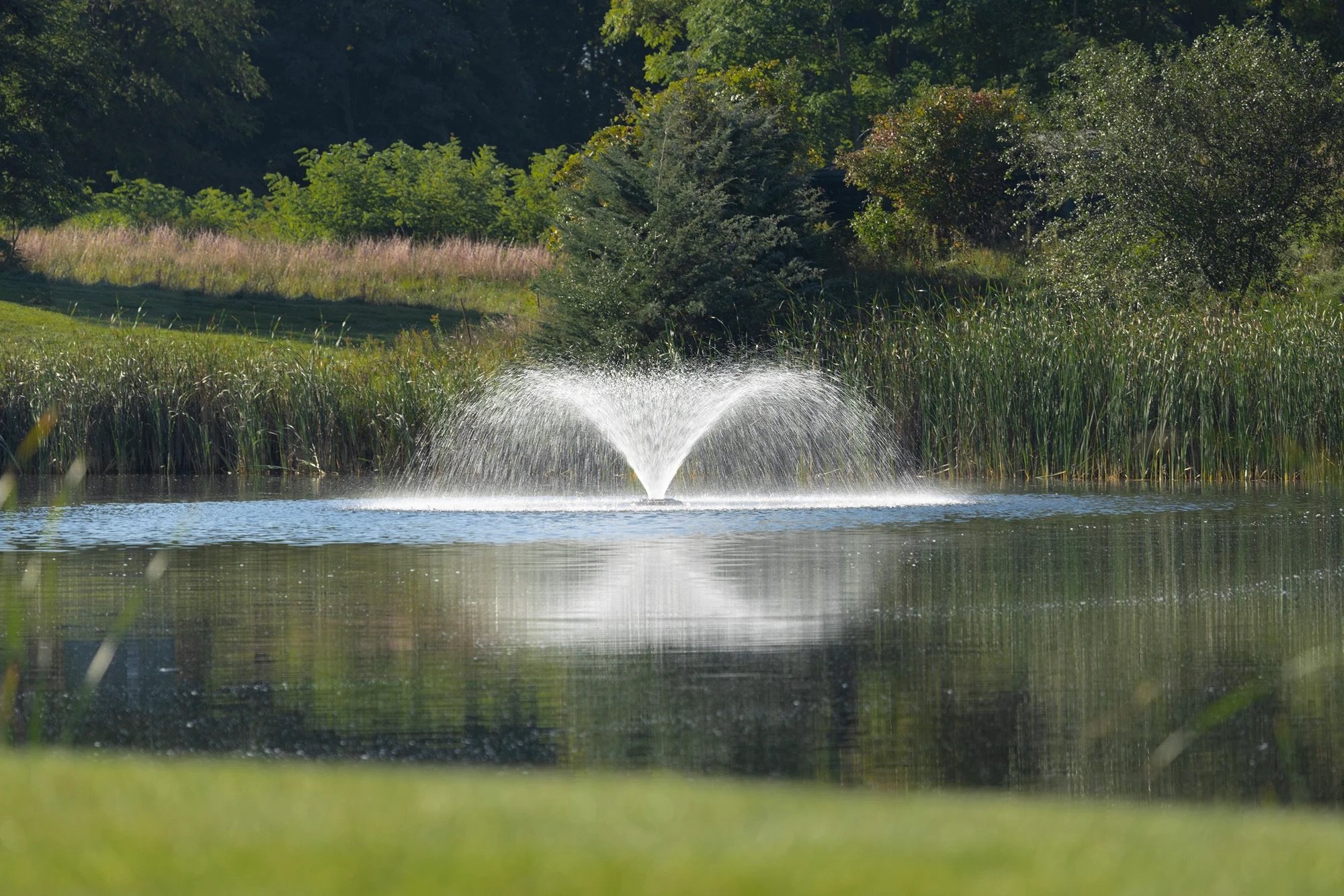
When ponds maintain good water quality and adequate dissolved oxygen, fish utilize the entire pond instead of gathering near aerators, fountains, or incoming water sources.
Proper pond management, including routine pond aeration and water quality monitoring, helps maintain these stable conditions throughout the summer.
Warning Signs Your Pond May Be Under Stress
Fish often provide the earliest indication that pond conditions are changing. Long before water quality problems become obvious, subtle changes in fish behavior can signal declining oxygen levels or increasing nutrient loads.
Watch for:
- Fish gasping or gathering near the water surface at dawn
- Large numbers of fish congregating around aeration systems
- Reduced feeding activity
- Sluggish swimming or isolation from schools
- Fish avoiding deeper water
- Increased activity near flowing water or shaded shorelines
These behaviors frequently indicate low dissolved oxygen, elevated water temperatures, or excessive algae growth reducing available oxygen overnight.
In New England, prolonged heat waves followed by calm, humid nights can quickly create stressful conditions in ponds and lakes, making regular observation especially important.
Environmental Conditions That Affect Fish Health
Several environmental factors influence fish health during the summer months.
Common conditions to monitor include:
- Excessive algae blooms
- Murky or discolored water
- Organic sediment buildup
- Limited water circulation
- Floating debris or decaying vegetation
Many ponds across Massachusetts and Connecticut experience increased nutrient loading from lawn fertilizers, stormwater runoff, and organic debris. These nutrients fuel algae growth, which can reduce dissolved oxygen and negatively impact fish health.
Routine pond maintenance helps minimize these risks before they affect the entire ecosystem.
Why Mid-Summer Pond Inspections Matter
Regular summer pond inspections allow property owners and managers to identify developing problems early.
Monitoring fish behavior alongside water quality can help determine whether your pond would benefit from:
- Pond aeration improvements
- Algae management
- Aquatic weed control
- Nutrient reduction strategies
- Sediment management
Taking proactive steps during mid-summer is often far less expensive than responding to fish kills, severe algae blooms, or long-term water quality issues later in the season.
Protecting Ponds Across Massachusetts, Connecticut & New England
Every pond is unique, but healthy fish populations consistently indicate balanced water quality and effective pond management.
At Water & Wetland, we help property owners, municipalities, HOAs, golf courses, and commercial properties throughout Massachusetts, Connecticut, and New England maintain healthy ponds through customized management programs. Our services include pond aeration, algae control, aquatic vegetation management, water quality monitoring, and long-term lake management solutions designed to keep your water healthy year-round.
Mid-summer is the ideal time to evaluate your pond's condition. By identifying early warning signs and addressing water quality concerns before they escalate, you can protect your fish population, improve pond health, and preserve the beauty and function of your aquatic ecosystem for years to come.
About Water & Wetland, A Jones Lake Management Partner
Water & Wetland is a trusted expert in lake, pond, and wetland management, providing science-based, environmentally responsible solutions throughout Massachusetts, Connecticut and the New England region. We help clients control invasive species and aquatic vegetation, restore shorelines, improve water quality, install and maintain aeration and circulation systems, conduct hydraulic dredging, stabilize sediment, manage wetlands, and enhance habitat. We understand the importance of proper permitting and regulatory compliance, ensuring that all projects meet local, state, and federal environmental standards. With a commitment to sustainability and science-based practices, Water & Wetland helps clients maintain thriving, well-balanced aquatic systems. As a Jones Lake Management Partner, we serve HOAs, golf courses, municipalities, and private landowners with customized plans designed to promote long-term ecological health. Visit us at www.waterandwetland.com