Lakes and ponds across Massachusetts and Connecticut support vibrant ecosystems prized for fishing, boating, wildlife habitat, and scenic beauty. However, these waterbodies also host algae and aquatic plants that can become problematic if left unmanaged. Water and Wetland helps lake and pond owners identify and prevent nuisance algae blooms and aquatic weed overgrowth to maintain water quality and recreational enjoyment throughout the growing season.
Common Algae in New England Waters
Algae occur naturally in all Massachusetts and Connecticut lakes and ponds, but certain species can become nuisance blooms under warm, nutrient-rich conditions:
-
Blue-Green Algae (Cyanobacteria): Commonly forming green or blue-green surface scums, these algae can produce toxins harmful to pets, wildlife, and humans. Species such as Microcystis and Dolichospermum are often detected in Massachusetts and Connecticut lakes during hot, calm summer periods.
-
Filamentous Green Algae: These thread-like algae attach to docks, rocks, and shoreline vegetation. While generally non-toxic, thick mats can interfere with boating, swimming, and shoreline aesthetics.
-
Stoneworts (Chara): A macro-algae resembling a submerged plant, stonewort forms dense underwater growth in nutrient-rich ponds and small lakes and can produce a distinct odor when disturbed.
Early identification of algae types allows our lake management professionals to monitor water conditions and plan effective interventions before recreational or ecological impacts occur.
Aquatic Weeds Common in New England
Aquatic weeds are rooted or floating plants that provide critical habitat but can interfere with water use when overabundant. Common species in Massachusetts and Connecticut include:
-
Eurasian Watermilfoil (Myriophyllum spicatum): An invasive milfoil with feathery, reddish-green foliage that forms dense surface mats, limiting light penetration and boating access.
-
Curly-Leaf Pondweed (Potamogeton crispus): One of the first aquatic weeds to emerge in spring, forming thick mats that can impede swimming and boating. Its turions lie dormant over winter, giving it a competitive advantage.
-
Coontail (Ceratophyllum demersum): A native submerged plant that provides habitat for fish but can grow dense in shallow bays.
-
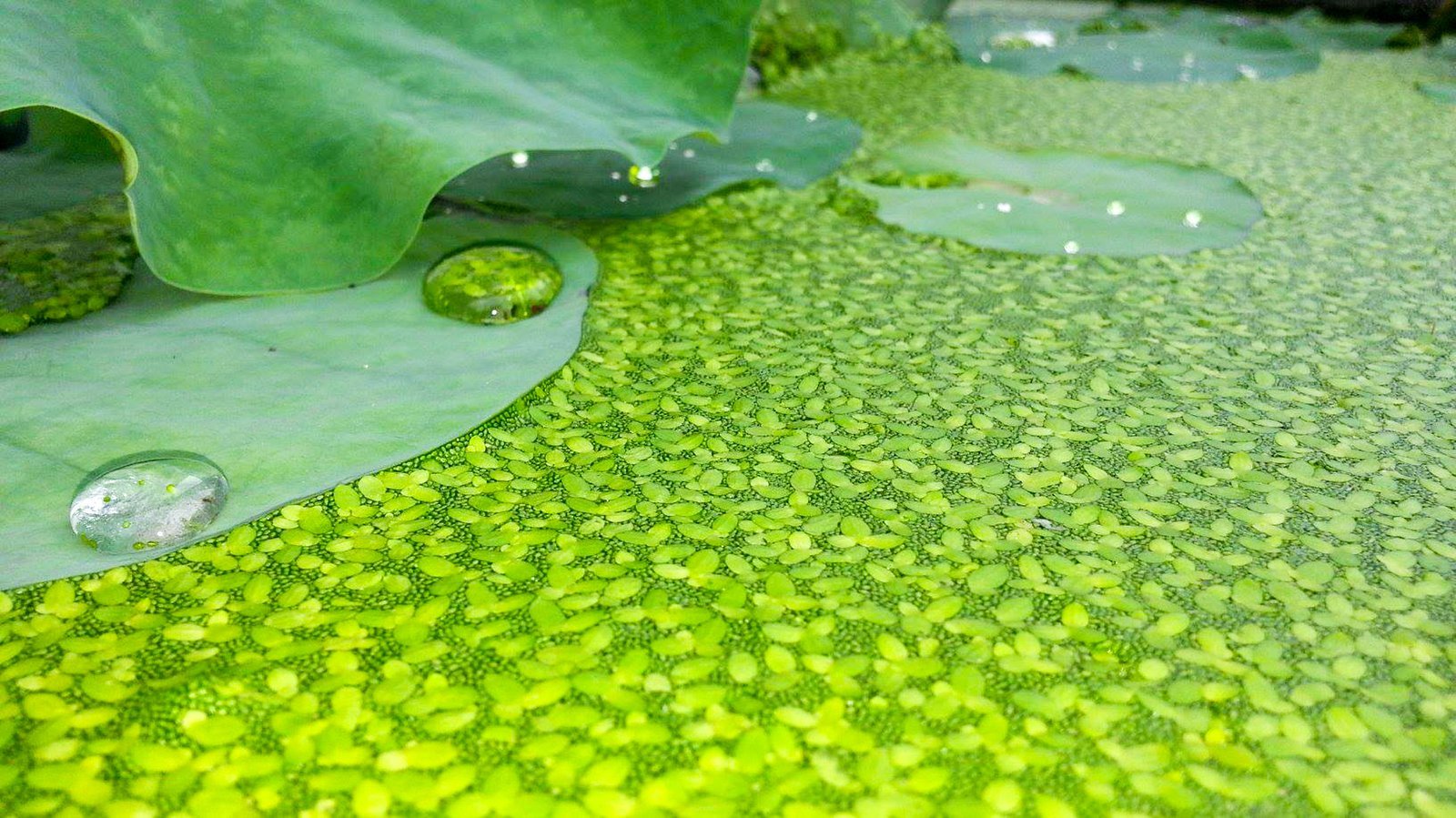
Duckweed & Watermeal: Tiny floating plants that can cover quiet pond surfaces, reducing sunlight and oxygen for submerged plants.
-
Northern Waterweed (Elodea canadensis): A common submerged native plant that can thrive in nutrient-rich areas, offering habitat but requiring monitoring to prevent excessive growth.
Distinguishing between beneficial native vegetation and nuisance or invasive species is critical for effective management and ecosystem balance.
Preventing Algae & Aquatic Weed Problems
Controlling nuisance algae and aquatic weeds requires a year-round, proactive strategy that addresses the conditions promoting excessive growth. Our team at Water and Wetland provides professional management services, including:
1. Nutrient Management
Excess phosphorus and nitrogen fuel algae blooms and weed proliferation. We implement strategies to reduce nutrient inputs, including shoreline erosion control, sediment management, and evaluating surrounding land use to protect water quality.
2. Shoreline Buffer Implementation
Our experts design and maintain native plant buffers along lake and pond edges—such as grasses, sedges, and wildflowers—to filter runoff, stabilize banks, and limit nutrient inflow. Well-managed buffers also provide shade for nearshore water, reducing conditions favorable for excessive algae and weeds.
3. Professional Monitoring & Early Detection
Our team conducts regular, seasonal inspections to detect early signs of filamentous algae, surface scums, or dense weed growth. Early detection enables targeted interventions before conditions escalate, preserving water clarity, habitat, and recreational access.
4. Targeted Plant Management
When invasive or nuisance species are present, we employ integrated control methods, including selective herbicide applications, mechanical harvesting, or mat removal. Our approach balances effective weed control with protection of native vegetation and the overall ecosystem.
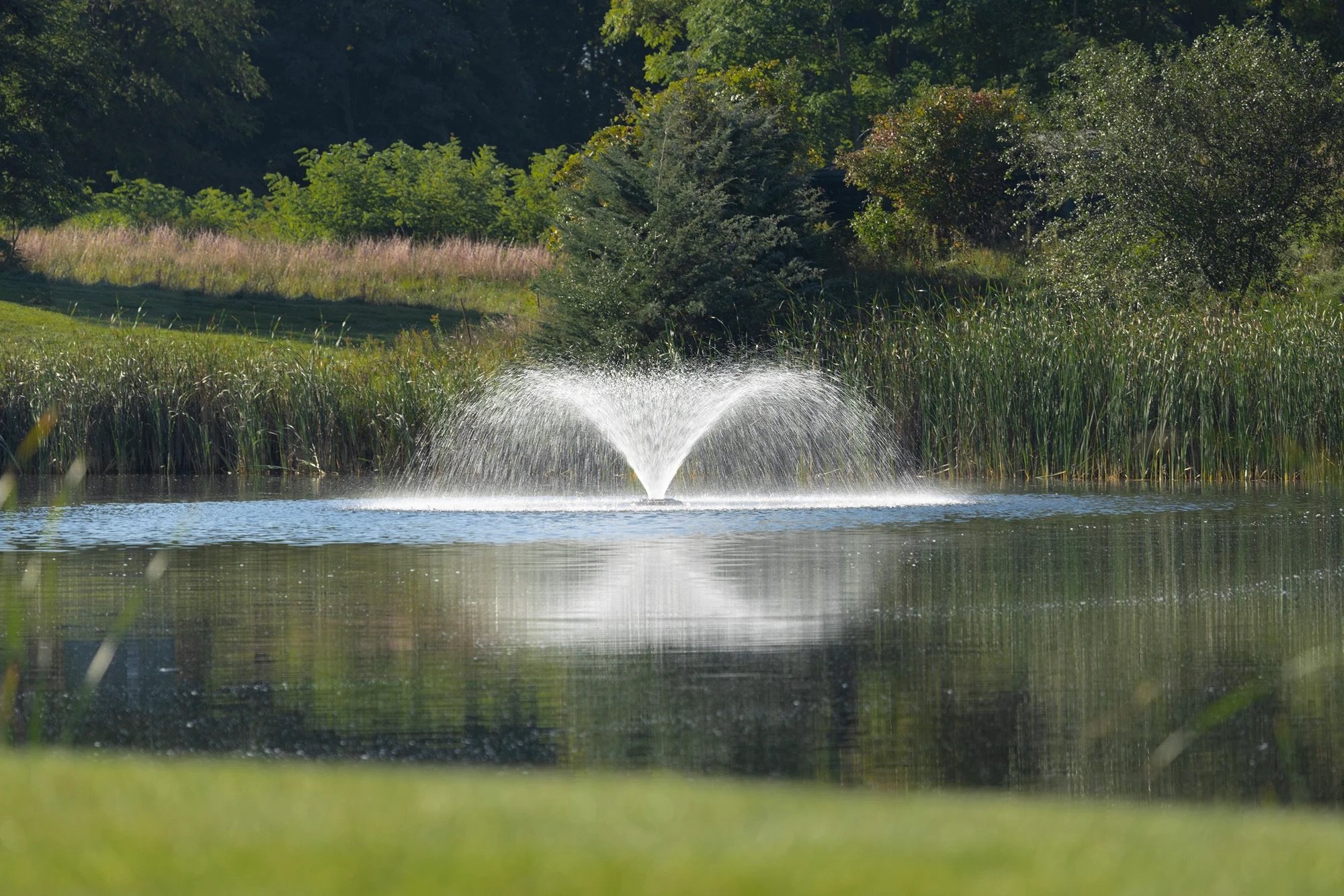
5. Water Circulation & Flow Management
Stagnant water can contribute to localized water quality issues. We assess circulation patterns and implement water movement strategies to improve overall aquatic health and maintain a balanced environment.
Benefits of Identification & Prevention
Early identification and professional management of algae and aquatic weeds protects:
- Water Quality: Maintains clear water and oxygen levels.
- Recreation: Keeps swimming, boating, and fishing areas accessible and enjoyable.
- Fish & Wildlife Habitat: Supports healthy fish populations and waterfowl habitat.
- Property Value: Well-managed lakes and ponds maintain scenic appeal and long-term property investment.
At Water and Wetland, we understand the ecology of Massachusetts and Connecticut waterbodies and partner with lakefront property owners, HOAs, golf courses and commercial and municipal managers to identify species accurately and implement effective, seasonal management strategies. Healthy lakes and ponds begin with knowing what’s growing beneath the surface—and planning professional care to maintain balance year-round.
About Water & Wetland, A Jones Lake Management Partner
Water & Wetland is a trusted expert in lake, pond, and wetland management, providing science-based, environmentally responsible solutions throughout Massachusetts, Connecticut and the New England region. We help clients control invasive species and aquatic vegetation, restore shorelines, improve water quality, install and maintain aeration and circulation systems, conduct hydraulic dredging, stabilize sediment, manage wetlands, and enhance habitat. We understand the importance of proper permitting and regulatory compliance, ensuring that all projects meet local, state, and federal environmental standards. With a commitment to sustainability and science-based practices, Water & Wetland helps clients maintain thriving, well-balanced aquatic systems. As a Jones Lake Management Partner, we serve HOAs, golf courses, municipalities, and private landowners with customized plans designed to promote long-term ecological health. Visit us at www.waterandwetland.com