As fall arrives in New England, lake and pond owners have a key opportunity to manage aquatic invasive species (AIS) before winter dormancy sets in. Invasive plants, shoreline vegetation, and aquatic animals can spread rapidly, disrupt ecosystems, and create costly spring maintenance challenges. Identifying and addressing them now sets the foundation for a healthier, more balanced lake or pond in 2026.
Invasive Aquatic Plants
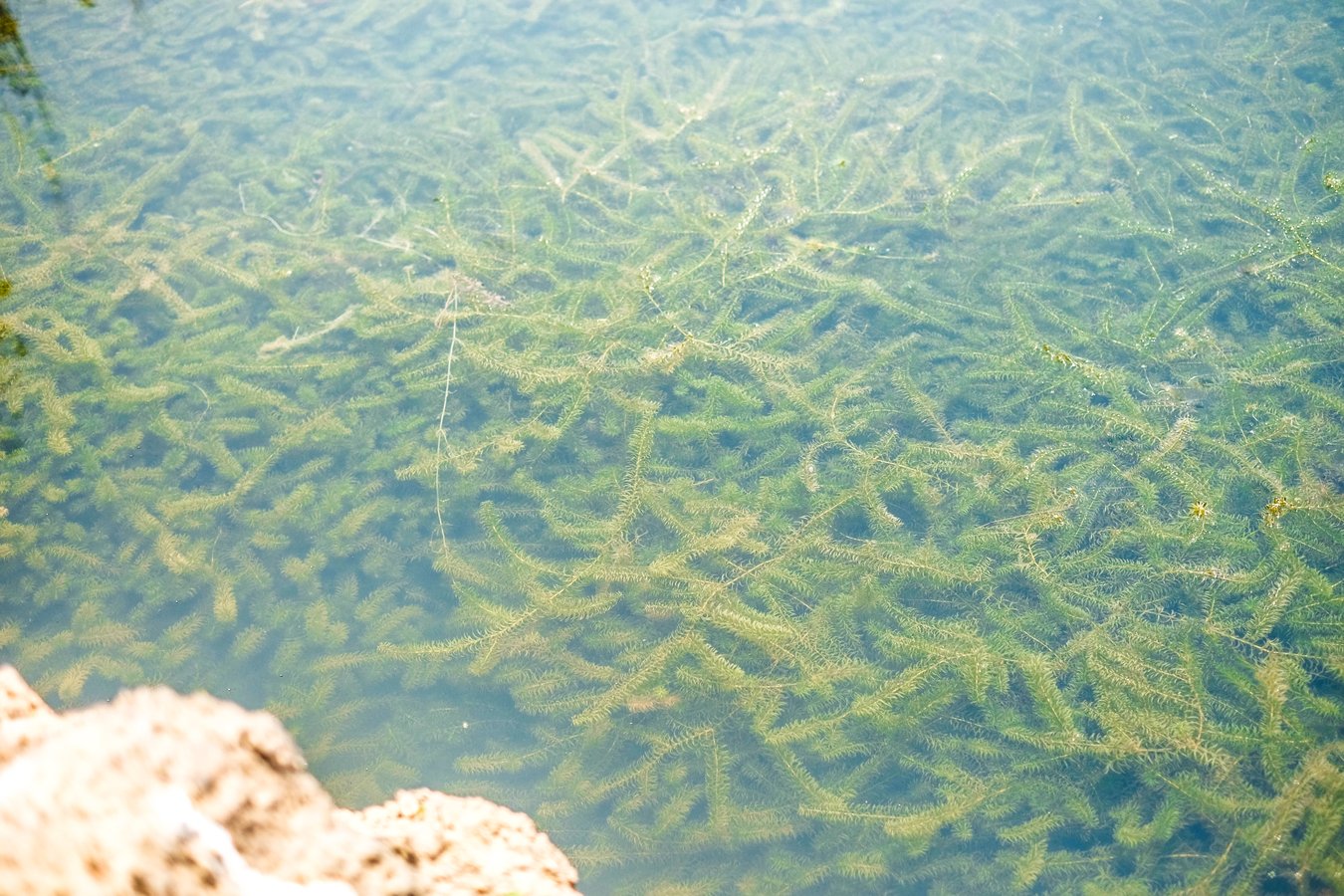
Invasive aquatic plants such as Eurasian watermilfoil, curly-leaf pondweed, and hydrilla can form dense underwater or floating mats that crowd out native vegetation. These plants store energy in roots or rhizomes during the fall, allowing them to survive the winter and reemerge aggressively in spring. Other common invaders in New England, including starry stonewort, Brazilian elodea, and parrotfeather, can block sunlight, restrict boating and fishing, and degrade fish and wildlife habitat.

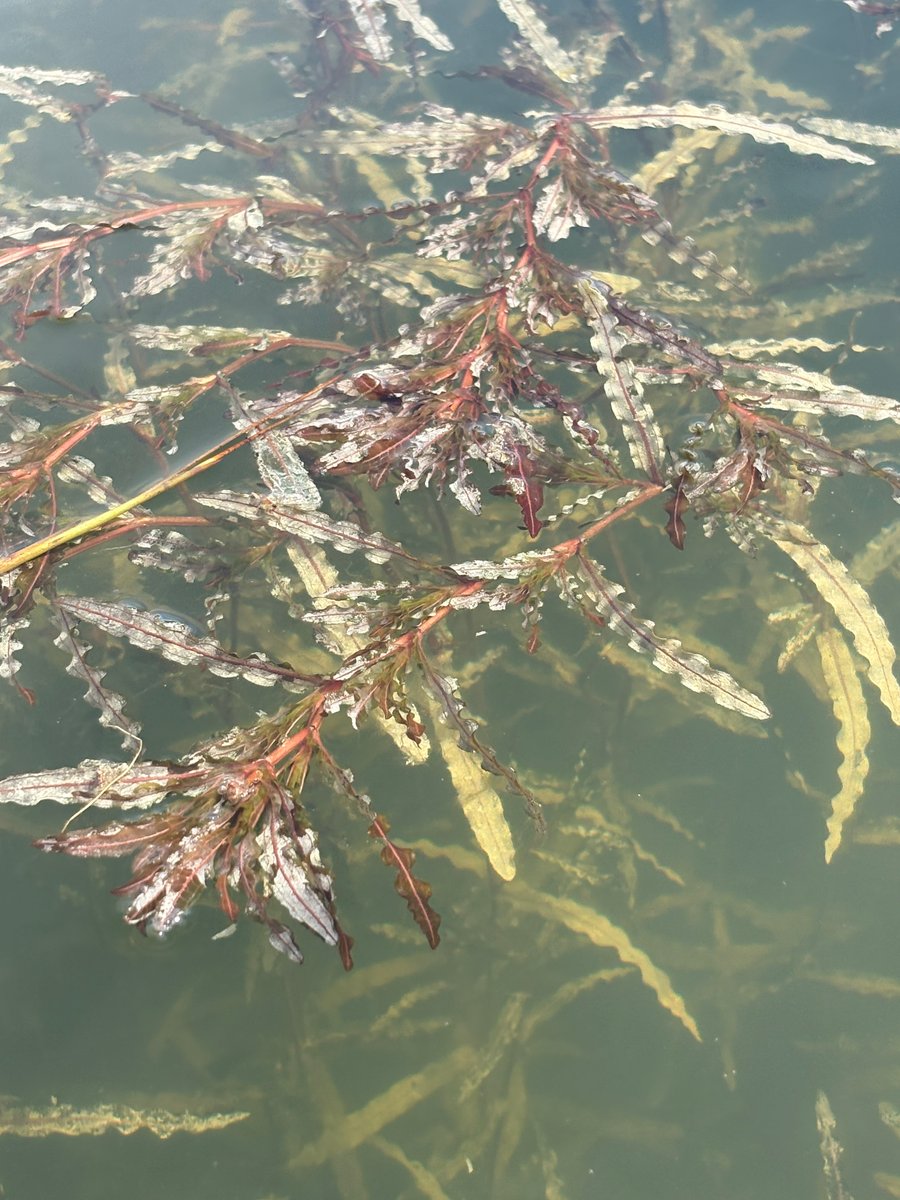


Monitoring invasive aquatic plants in late summer and early fall is essential. Look for:
- Thick mats of submerged or floating vegetation
- Unusual plant growth or discoloration
- Reduced sunlight reaching the pond bottom
Targeted late-season herbicide treatments, mechanical removal, or approved biological controls can reduce overwintering biomass and help limit regrowth in spring.
Invasive Shoreline and Wetland Plants
In New England, shoreline vegetation like phragmites (common reed) and hybrid cattails spread aggressively, overtaking native plants and altering natural water flow. When left unmanaged, these species can degrade water quality, restrict open water areas, and make shoreline access difficult for recreation and maintenance.


Fall is an ideal time to address these species because they are preparing for dormancy but remain accessible for management. Cutting, herbicide applications, and selective excavation are effective methods for preventing dense stands from expanding during the next growing season. Addressing these plants now helps protect valuable shoreline and wetland habitat in 2026.
Invasive Aquatic Animals
Invasive aquatic animals pose another serious threat to lake and pond ecosystems. Zebra mussels, the primary invasive animal concern in New England, attach to hard surfaces such as docks, rocks, and water intake structures, where they outcompete native mussels and can damage infrastructure. Quagga mussels and apple snails are considered potential or emerging threats in the region. While not yet widespread in New England, these species have established populations in other parts of the U.S., where they disrupt ecosystems by over-filtering water and consuming large amounts of vegetation.


Regular monitoring during the fall can help detect early signs of these invaders. Look for shell clusters, unusual vegetation loss, or egg masses along the shoreline. Taking preventive steps now through mechanical removal, containment, or approved treatments helps reduce the risk of establishment and costly interventions in future seasons.
Planning Ahead for 2026 Maintenance
A proactive management plan is the best defense against invasive species. At Water & Wetland, we recommend evaluating this season’s conditions, identifying problem areas, and scheduling early spring or late summer treatments for next year. Fall is also a good time to plan for nutrient management, aeration improvements, and shoreline stabilization projects that support overall lake health.
Managing invasive plants, shoreline vegetation, and aquatic animals in the fall is not just about control; it is about preparation. Taking action now helps protect water quality, reduce future maintenance costs, and promote a more resilient ecosystem.
By staying ahead of invasive species this fall, you set the stage for a cleaner, healthier, and more vibrant lake or pond in 2026.
Contact Water & Wetland today to schedule an inspection or request a fall maintenance estimate.
About Water & Wetland, A Jones Lake Management Partner
Water & Wetland is a trusted expert in lake, pond, and wetland management, providing innovative and environmentally responsible solutions to control invasive species, restore shorelines, and improve water quality. As a Jones Lake Management Partner, we serve HOAs, golf courses, municipalities, and private landowners with customized lake and pond management plans designed to promote long-term ecological health. We understand the importance of proper permitting and regulatory compliance, ensuring that all projects meet local, state, and federal environmental standards. With a commitment to sustainability and science-based practices, Water & Wetland helps clients maintain thriving, well-balanced waterbodies.